Eworthy and the Tamar Valley
Bratton Clovelly, Lewtrenchard, Marystowe and Brentor
The churches and country houses of West Devon offer a record of the people who shaped the landscape: medieval parish communities, landowners, clergy, craftsmen and later restorers. The photographs from the ride on 17 July 2026 begin at Bratton Clovelly, continue to Lewtrenchard, and then show St Mary's at Marystowe before the distant outline of Brentor.
Bratton Clovelly: St Mary the Virgin
The parish church at Bratton Clovelly is a substantial building for a small rural community. Its arcades, aisles and timber roof reflect the long development of the English parish church. Such buildings were not merely places for Sunday worship: baptisms, marriages, burials and the marking of the Christian year made them central to local life.
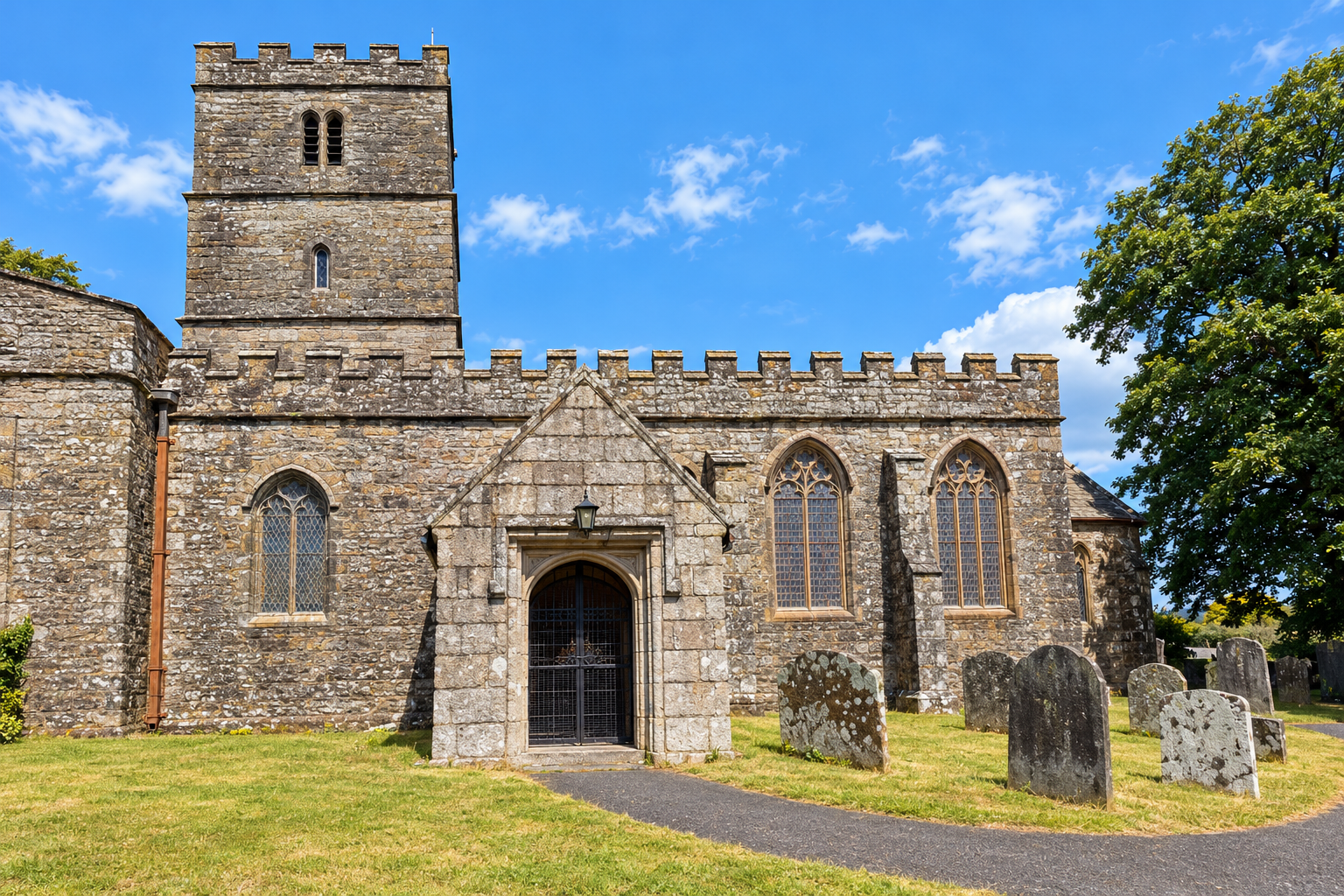
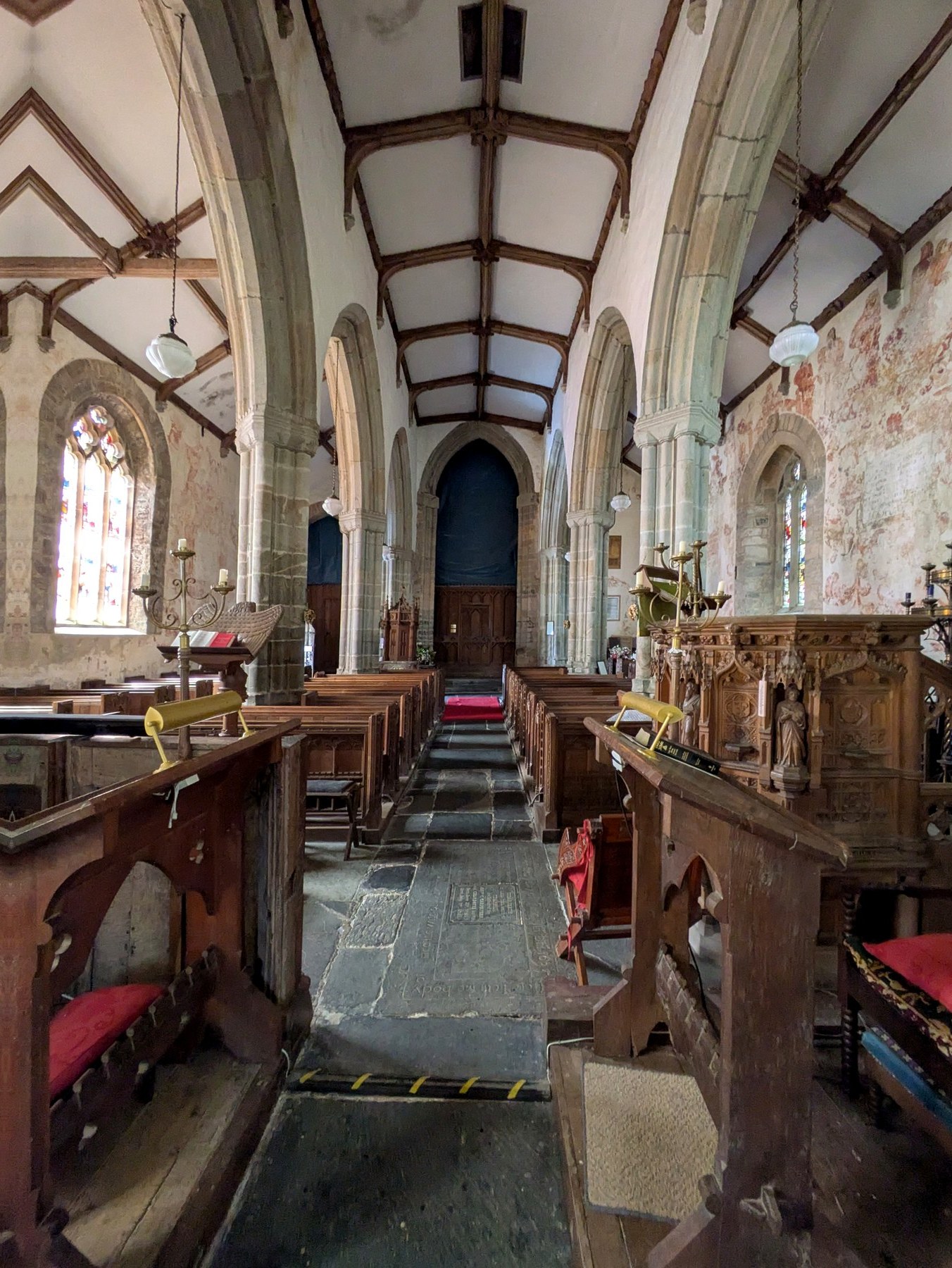
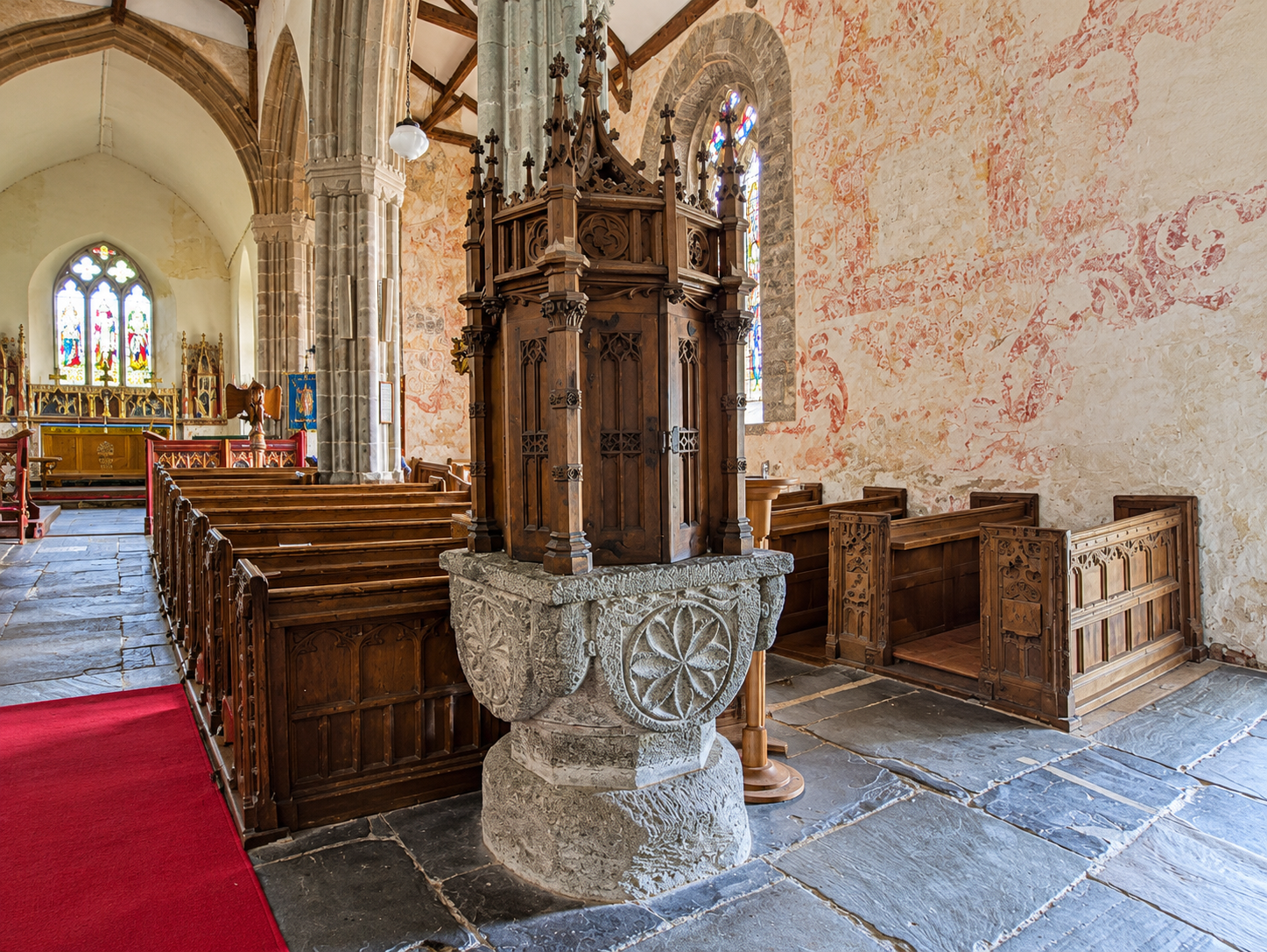
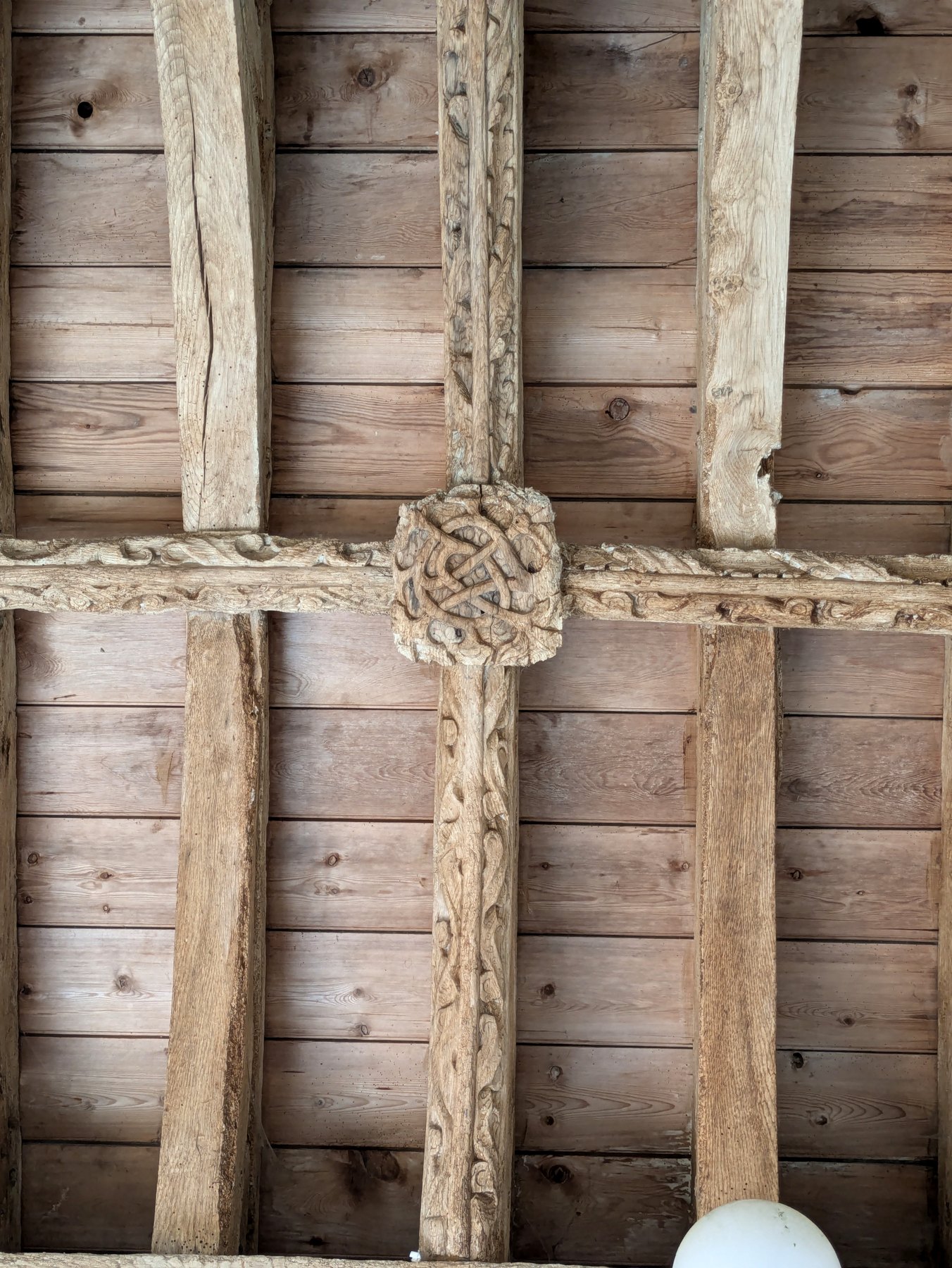
Inside, the stone columns divide the main body of the church from its aisles. The carved woodwork, furnishings and windows demonstrate how successive generations adapted an older structure to their own requirements. A church that appears medieval at first glance may contain work from many later centuries.
Wall painting and religious imagery
The most striking feature in the Bratton Clovelly photographs is the painted decoration surrounding the windows. Ornamental foliage and an inscription accompany the stained glass. In earlier centuries church interiors could be rich in colour, although the Reformation, later alterations and repeated limewashing caused the loss of much painted decoration.
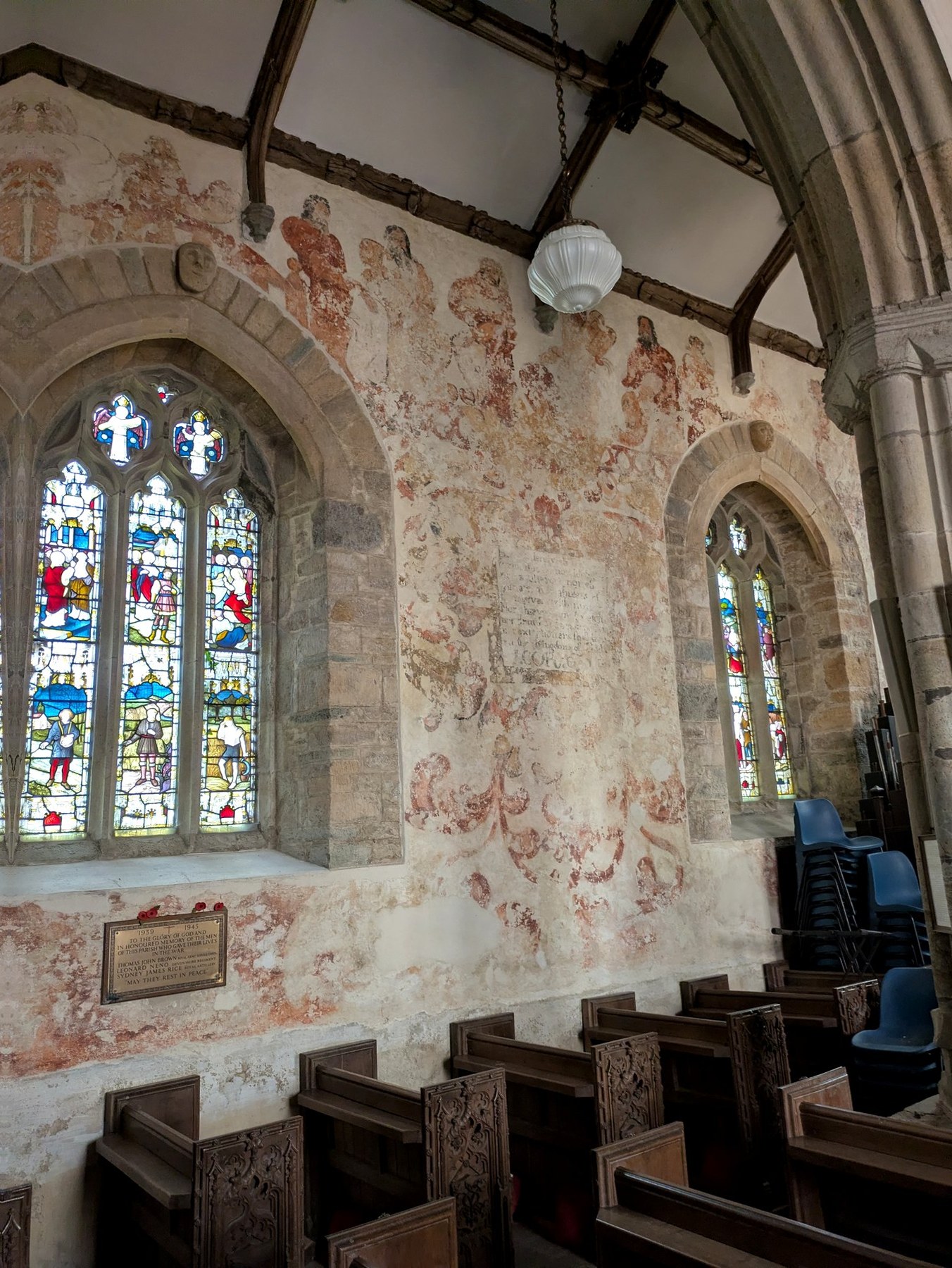
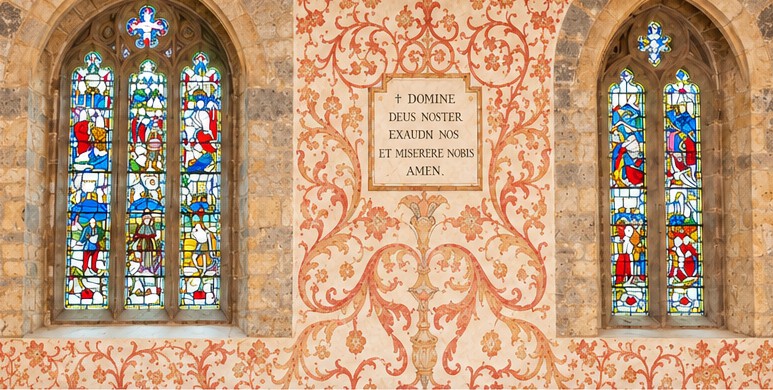
The inscription and surviving designs merit close attention, but the photograph alone cannot determine the dates of the painting or how much has been restored. What it does establish is that the interior was conceived as something more elaborate than bare stone and whitewashed walls.
Lewtrenchard Manor and Sabine Baring-Gould
Lewtrenchard Manor is associated with the Reverend Sabine Baring-Gould (1834–1924), an Anglican clergyman, novelist, antiquarian and collector of folk songs. Baring-Gould lived at Lewtrenchard and devoted considerable effort to recording the songs and traditions of Devon and Cornwall. He is also remembered as the author of the hymn Onward, Christian Soldiers.
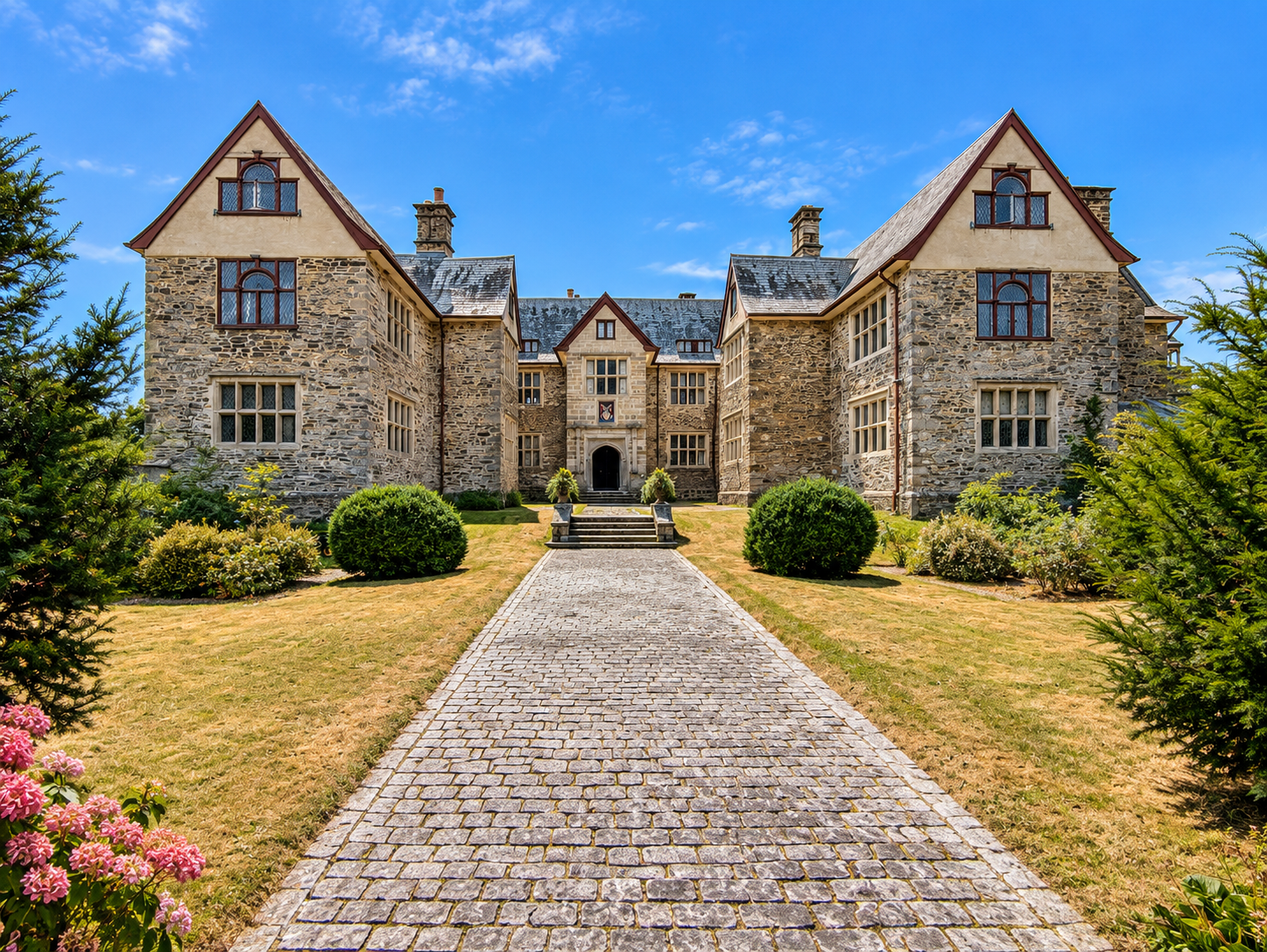
The house illustrates the long association between landed families and the surrounding countryside. Its appearance reflects successive alterations rather than one single building campaign. Baring-Gould's work is an especially interesting connection between the local estate and the wider nineteenth-century interest in folklore, archaeology and regional history.
Marystowe: St Mary the Blessed Virgin
Later in the day the riders visited the parish church of St Mary the Blessed Virgin at Marystowe. Its exterior, with a stone tower and a churchyard enclosed by walls, shows the familiar relationship between a rural parish church and its settlement. Like Bratton Clovelly, it is a building that has served a community through centuries of religious and social change.
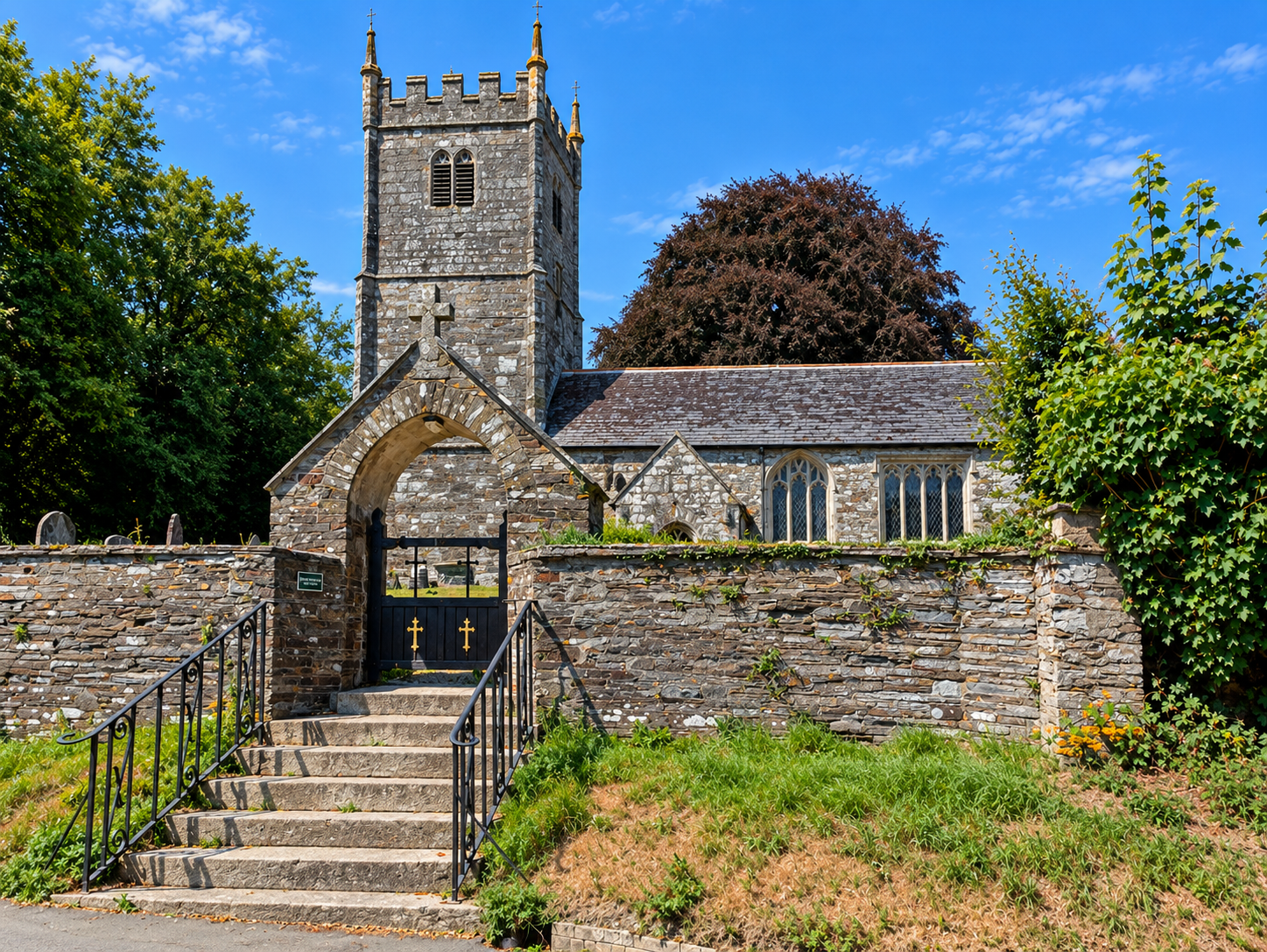
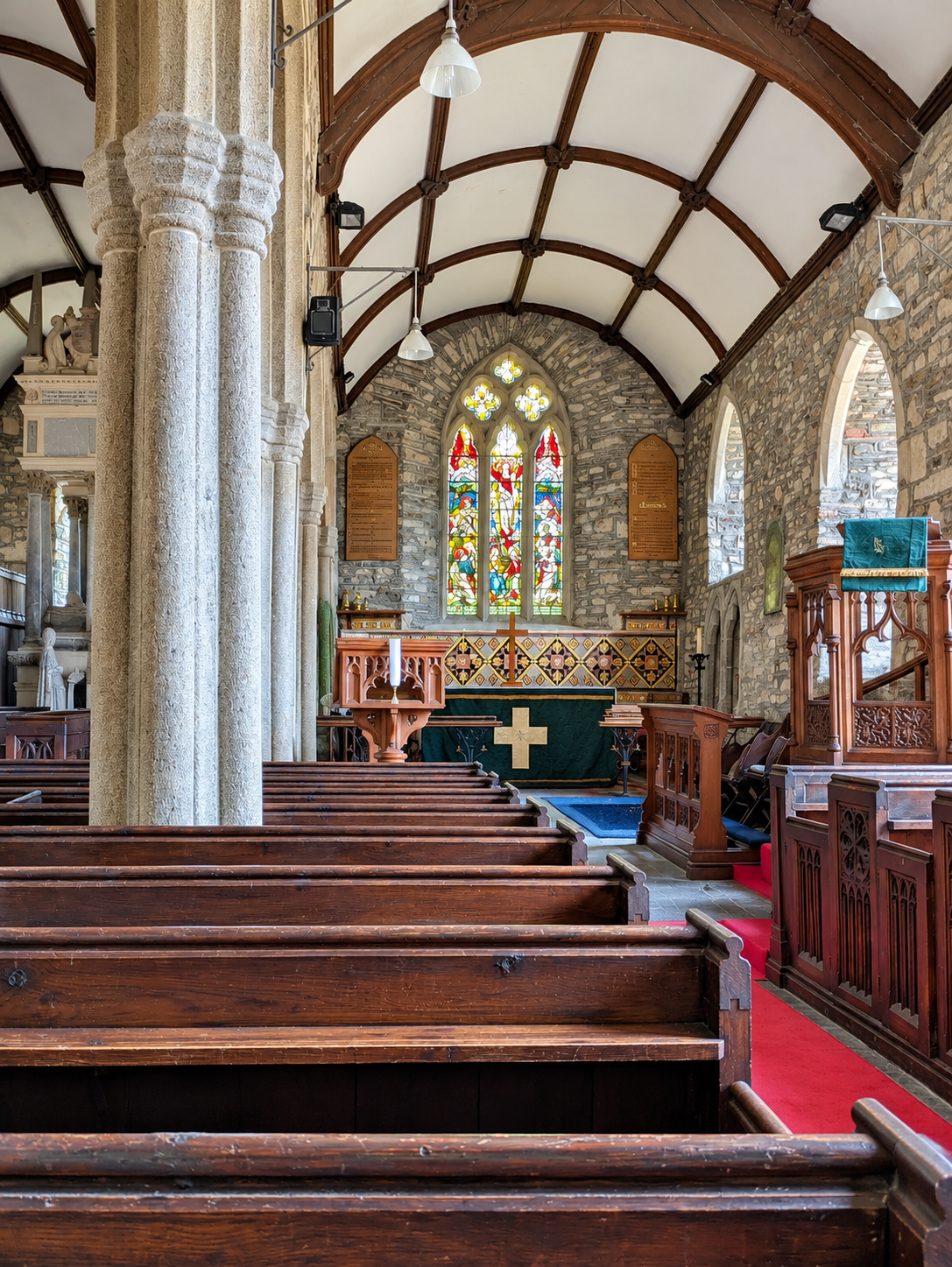
Within the church, the arrangement of pews, pulpit, chancel and windows reflects both older liturgical traditions and later changes in church furnishing. Stained glass was particularly important in nineteenth-century restoration and commemoration: windows could teach biblical stories, honour donors and provide a focus for worship.
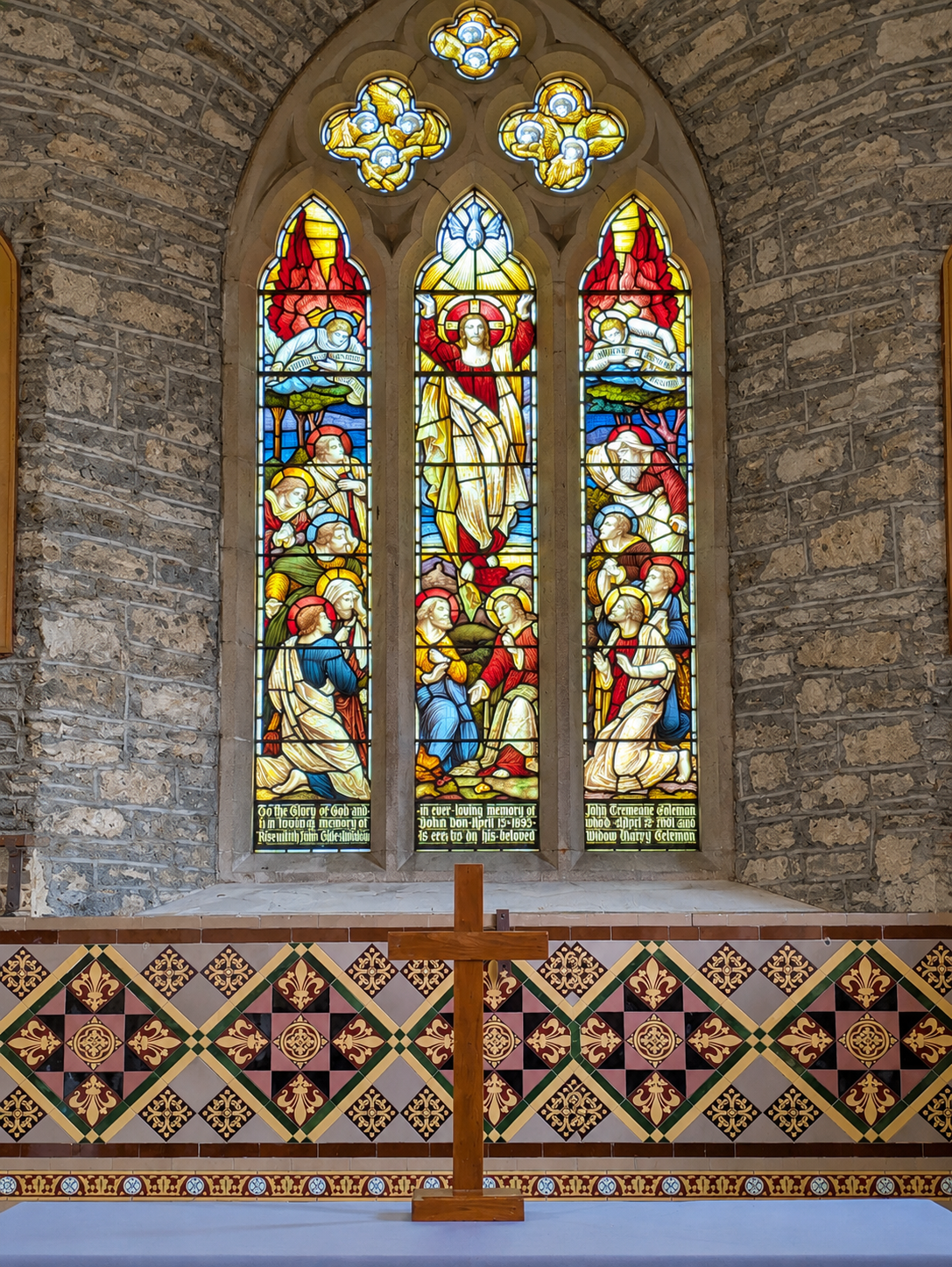
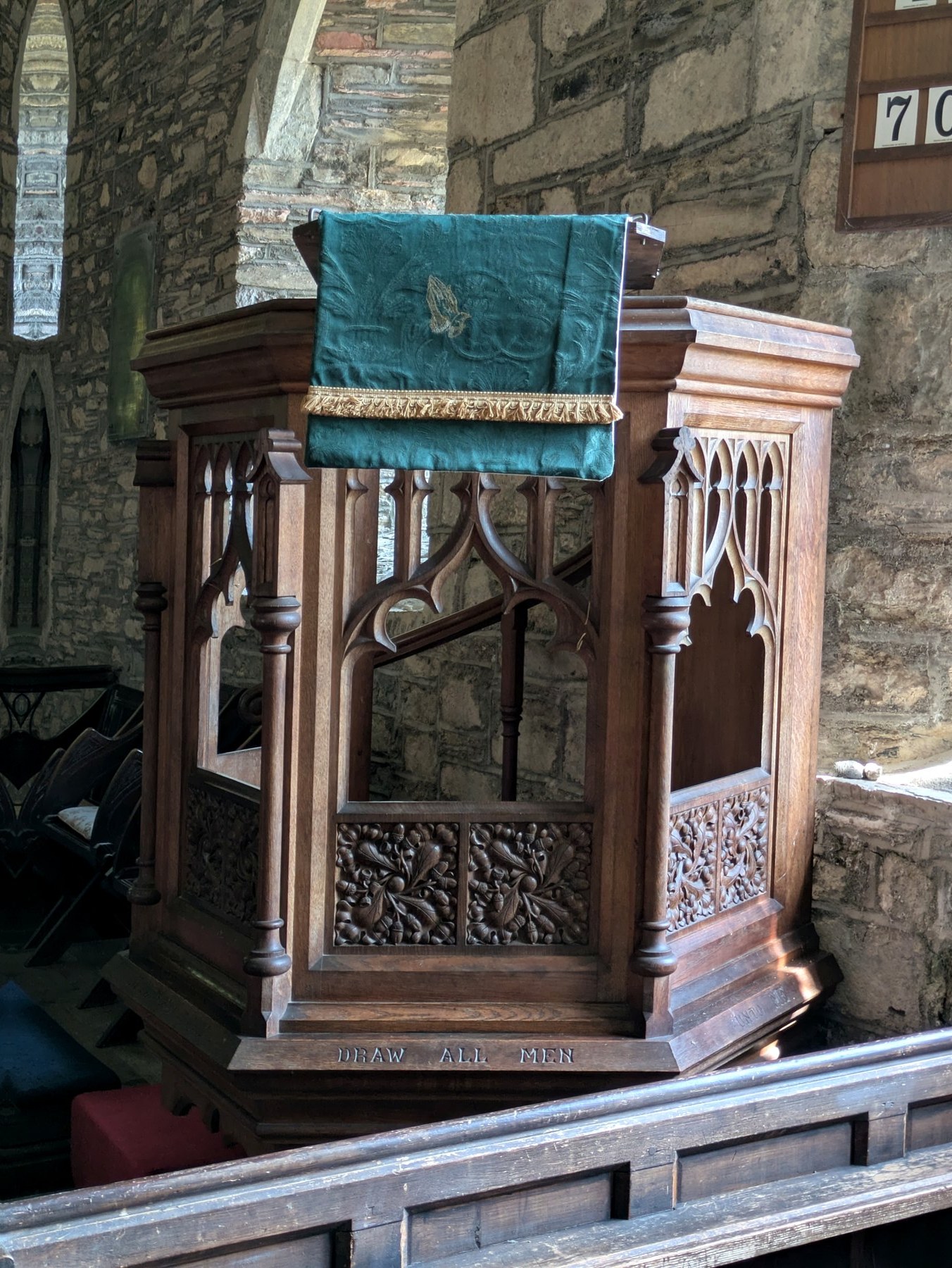
These details are worth recording individually. They show that the history of a church is not confined to its foundation date or the outline of its tower: its fittings and decoration are part of the historical record too.
Brentor: St Michael de Rupe
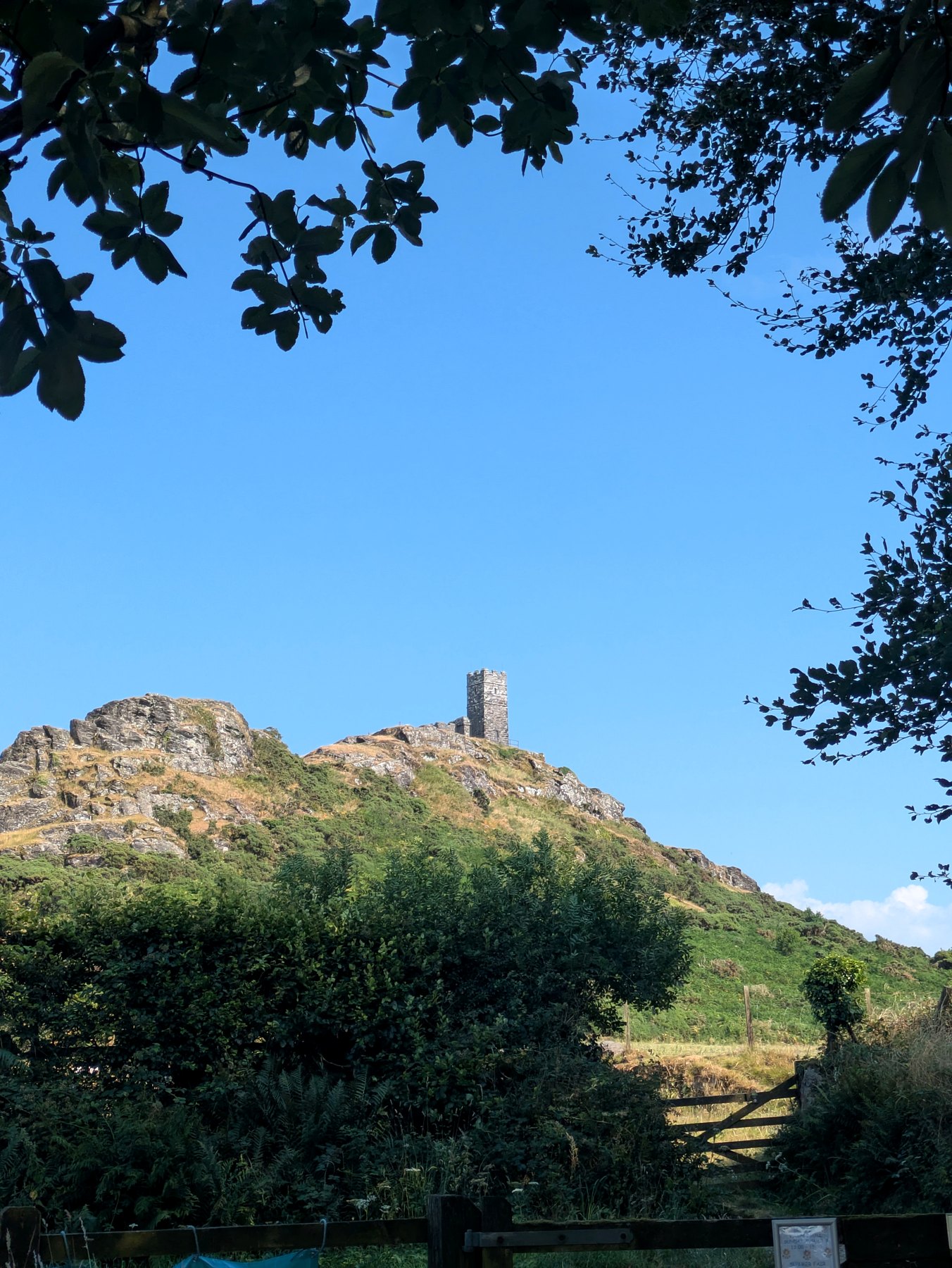
The church on the skyline at Brentor is dedicated to St Michael de Rupe — St Michael of the Rock. It stands on a rocky volcanic outcrop and is one of the most distinctive landmarks in West Devon. Whereas the churches at Bratton Clovelly and Marystowe belong visibly to their settlements, Brentor's exposed hilltop position gives it an entirely different presence in the landscape.
Riding through the heat
On 17 July 2026 the heat was as memorable as the historical sites. The 36-mile ride involved approximately 3,200 feet of climbing, much of it on lanes with little shade. The opportunities to refill water at Bratton Clovelly and Roadford were therefore important. The ride also demonstrated how the hills, valleys and winding roads that shaped the older settlements continue to shape the experience of travelling between them.
Sources and further reading
For detailed building histories and statutory descriptions, consult the Historic England National Heritage List and the Devon Historic Environment Record for St Mary’s at Bratton Clovelly, Lewtrenchard Manor, St Mary’s at Marystowe and St Michael de Rupe at Brentor. For Baring-Gould’s life and collecting, see biographical studies and editions of his West Country folk-song collections.
Photographs: Plymouth Cycling Club ride, 17 July 2026. The reconstructed wall decoration is an AI-generated speculative illustration, not an authentic restoration or verified record. The interpretation above distinguishes features visible in the photographs from broader historical context; precise dating of individual fittings and painted decoration requires specialist records.