Grand Western Canal, Ayshford and Dulverton
An industrial waterway beside a medieval estate
On this ride, the level canal towpath and the steep lanes towards Exmoor offer two contrasting ways of travelling through Mid Devon. Along the way, the canal and Ayshford Court bring together histories separated by several centuries.
A canal intended to join two seas
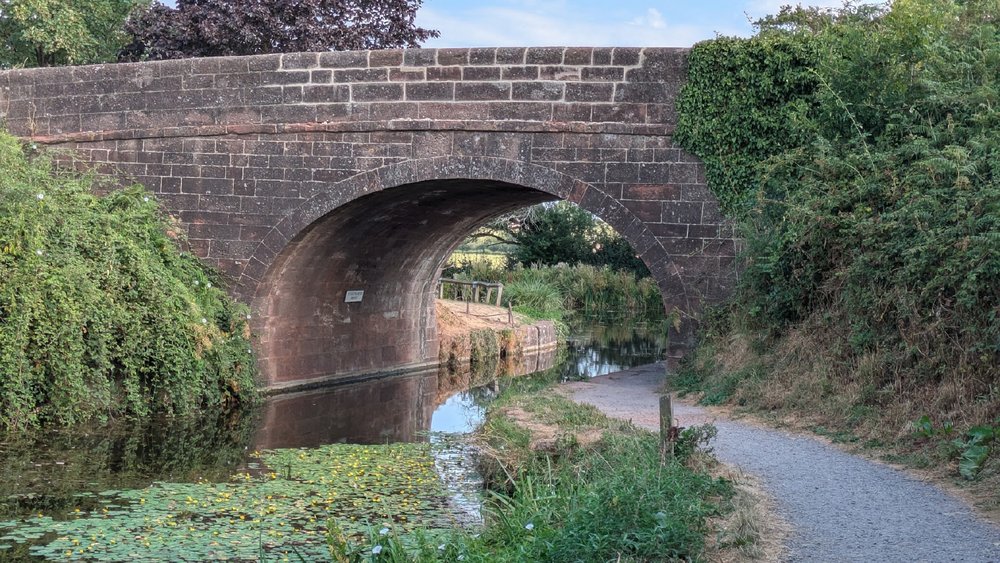
The Grand Western Canal began as part of an ambitious proposal for an inland connection between the Bristol Channel and the English Channel, avoiding the long sea passage around Land’s End. That through-route was never completed. The level section from Tiverton to Lowdwells opened in 1814 and became especially useful for moving limestone from local quarries to limekilns, as well as coal and other materials.
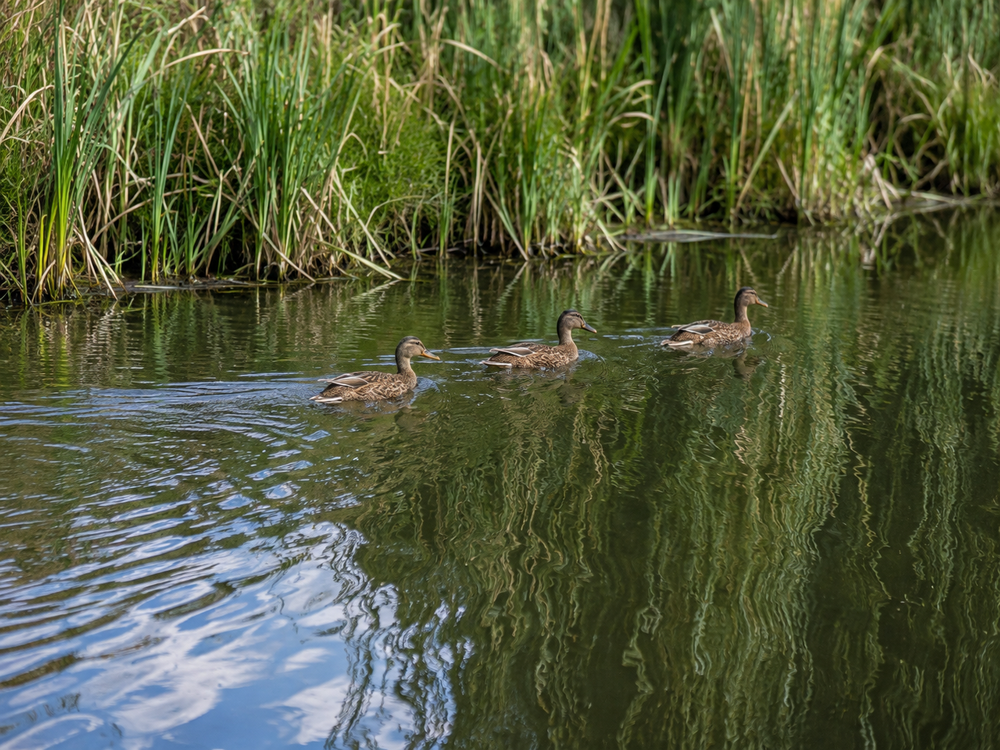
The canal was extended towards Taunton in 1838 using tub boats, lifts and an inclined plane. The Somerset section succumbed to railway competition in the nineteenth century, while the surviving Devon stretch continued to carry stone into the twentieth century. Its towpath is now part of a country park and wildlife corridor.
Ayshford Court: a much older landscape
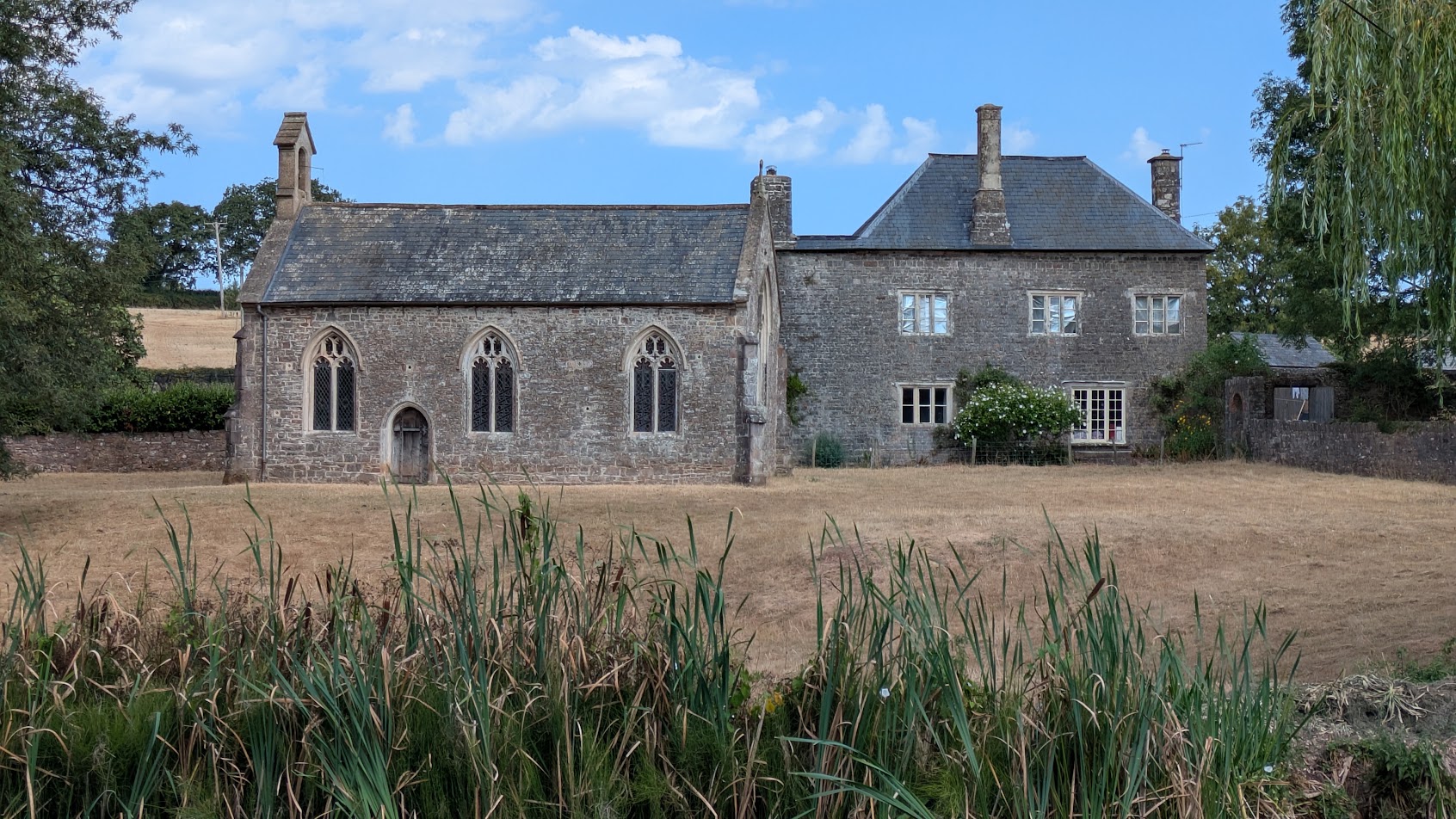
Near Burlescombe, the canal passes close to Ayshford Court and its chapel. The estate has roots in the early medieval period: Ayshford is recorded in a charter of 958 and appears in Domesday Book. The manor was long associated with the Ayshford family, and the surviving house contains substantial late-medieval and early-modern work.
Beside it stands the fifteenth-century family chapel, a striking reminder of the place of private worship within the landed household. The chapel is Grade I listed and the house Grade II* listed. The proximity of the canal shows how the transport changes of the nineteenth century cut across an established estate landscape.
From Halberton towards Dulverton
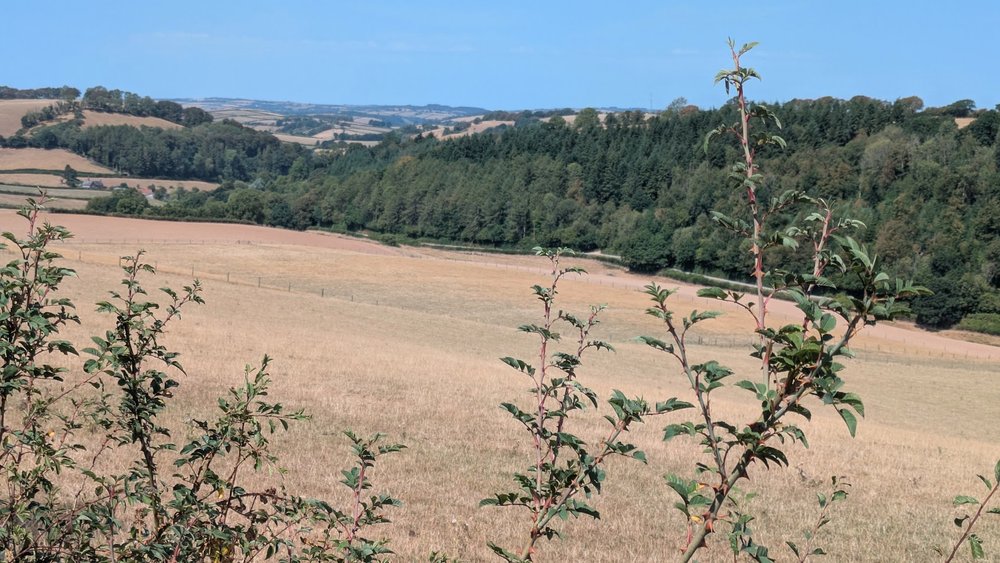
Leaving the canal, the ride climbs into the rolling country of Mid Devon and towards the valleys on the southern edge of Exmoor. Dulverton, on the River Barle, grew as a market town with connections to farming, wool, cloth and water-powered industry. Its position among steep wooded valleys makes it a natural stopping point and a demanding destination for cyclists.
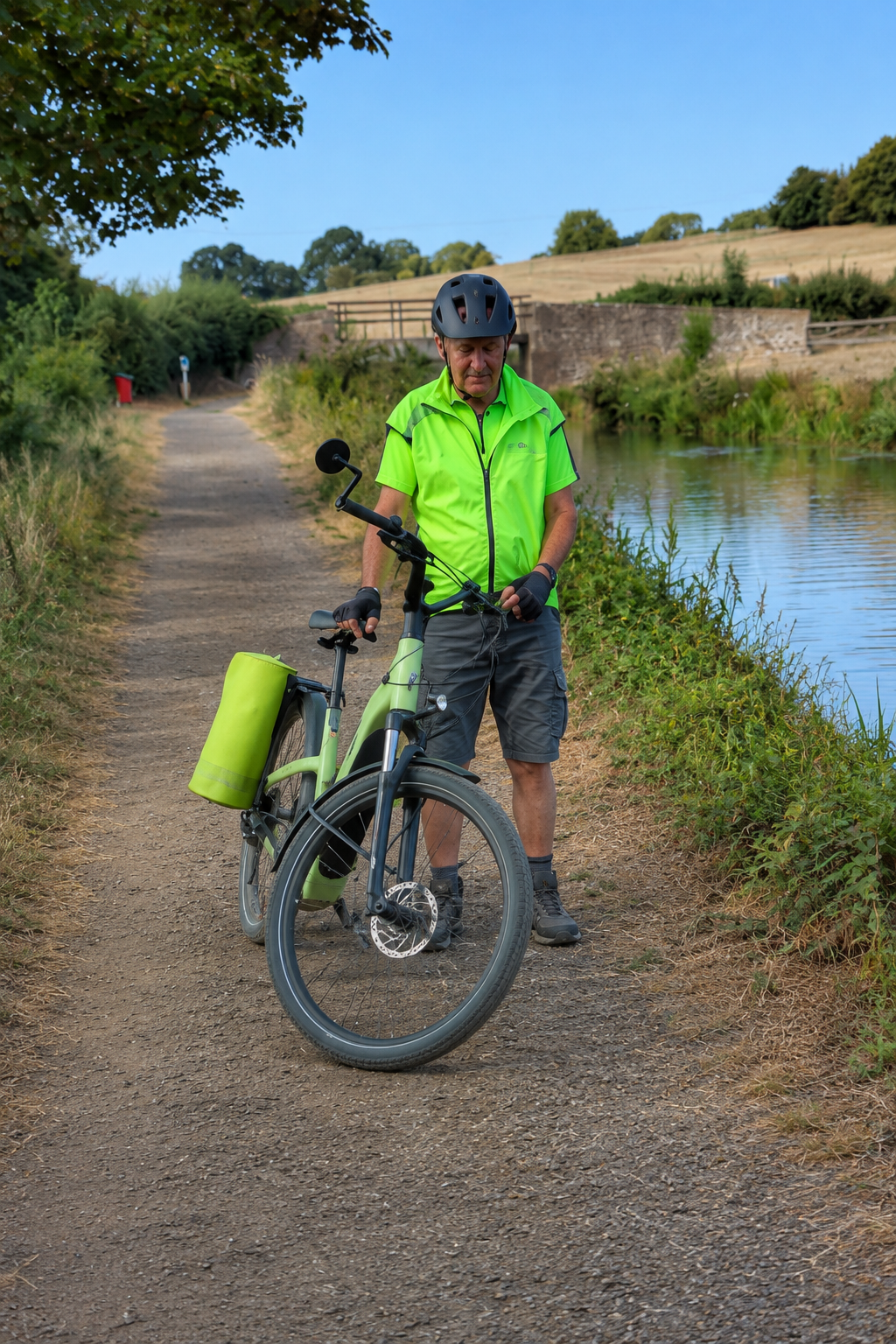
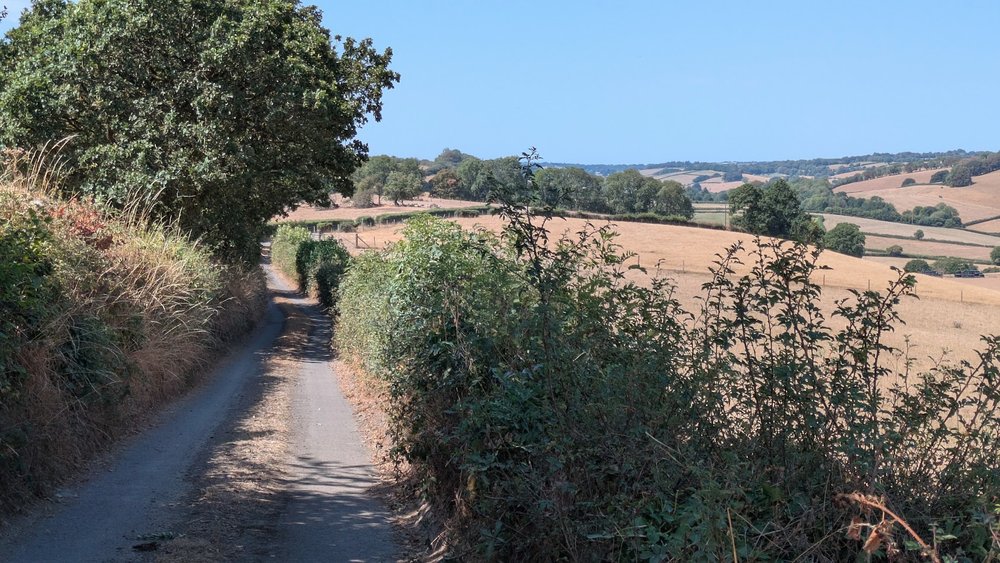
The route alternates between enclosed lanes, open farmland and wooded valleys. Its 1,117 metres of climbing make it much harder than the level opening beside the canal might suggest.
Different centuries, one journey
Ayshford Court recalls the long life of a landed estate; the canal records the industrial ambition to move heavy goods more cheaply; the lanes and valley towns reflect the continuing importance of farming and local trade. The bicycle connects these surviving features without making them appear to belong to a single historical period.
Sources & Further Reading
- Inland Waterways Association, Grand Western Canal — waterways.org.uk.
- Friends of the Grand Western Canal, Canal History — friendsgrandwesterncanal.org.uk.
- Historic England, Ayshford Court, list entry 1147581 — Historic England.
- Historic England, Ayshford Chapel, list entry 1325900 — Historic England.