Noss Mayo, Membland and the Revelstoke Estate
An estuary, an ambitious Victorian estate and the financial crisis that changed it
This short but hilly ride connects the wooded lanes of the South Hams with the River Yealm and the remains of a remarkable nineteenth-century estate. The most striking contrast is between the small waterside settlements and the carefully designed buildings of Membland.
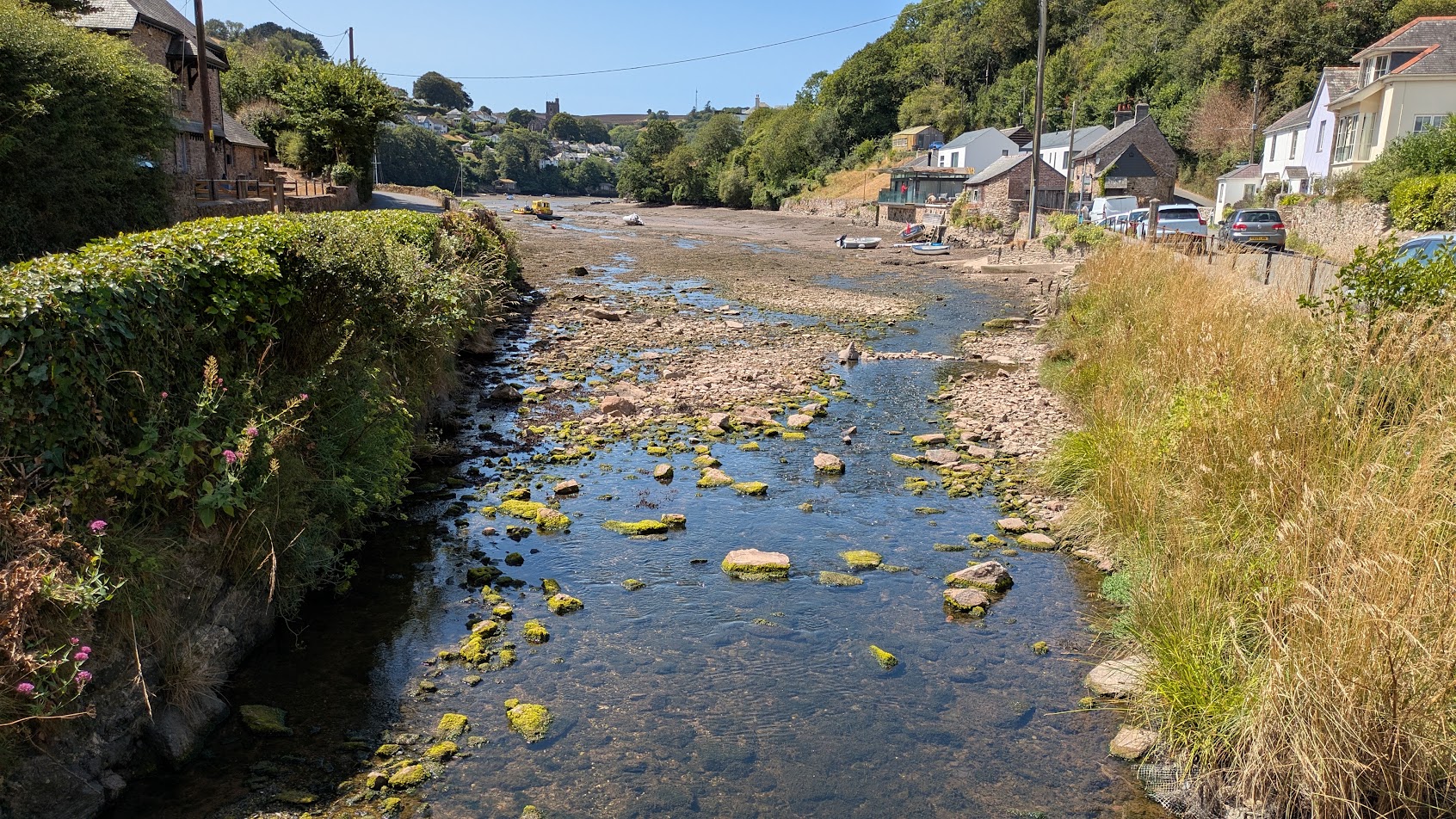
The Yealm estuary
At Noss Mayo, the River Yealm winds between steep, wooded slopes before reaching the sea. The settlement faces Newton Ferrers across the water. Its sheltered tidal creek and old buildings reflect the importance of boats and river access long before modern road travel became dominant.
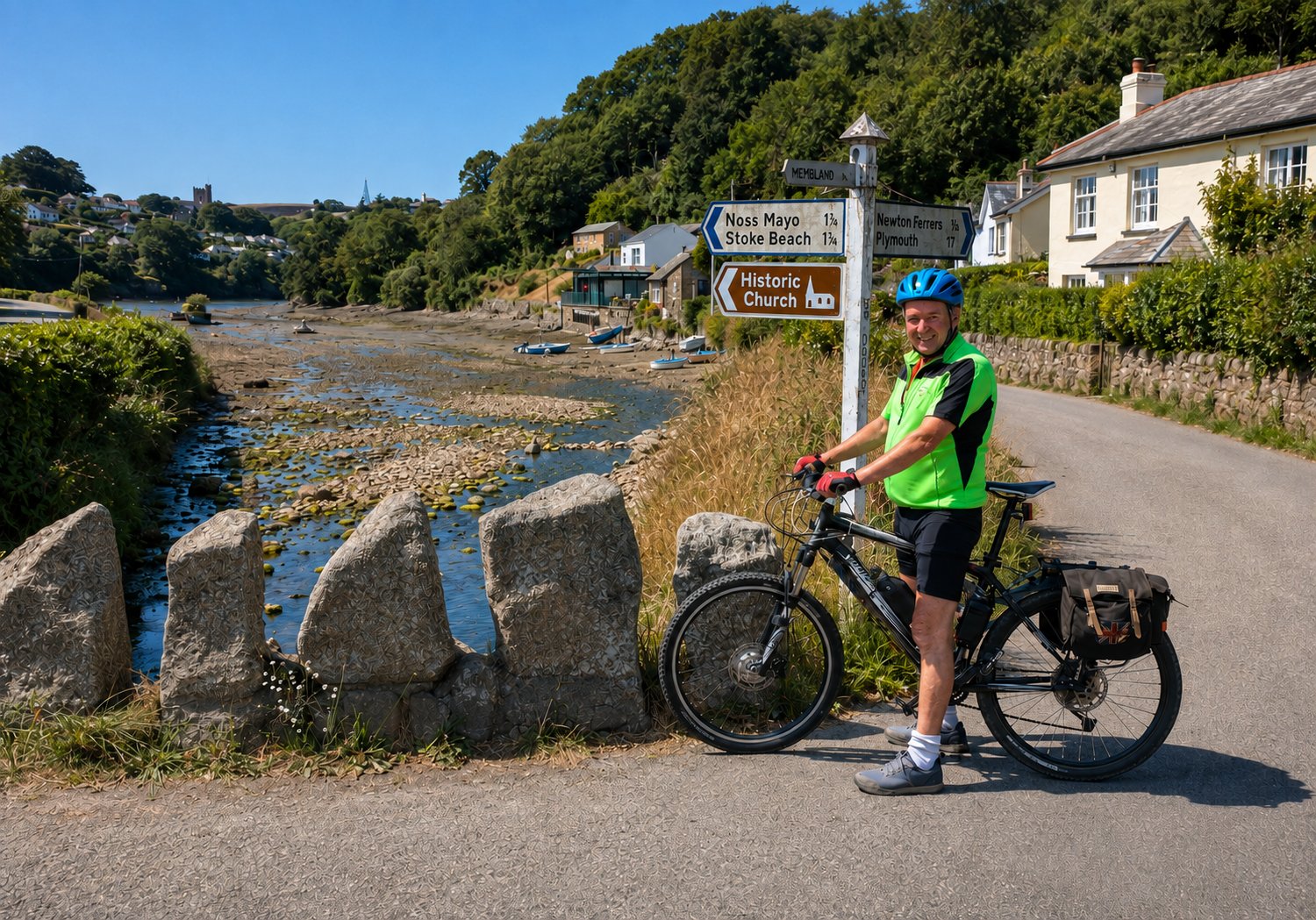
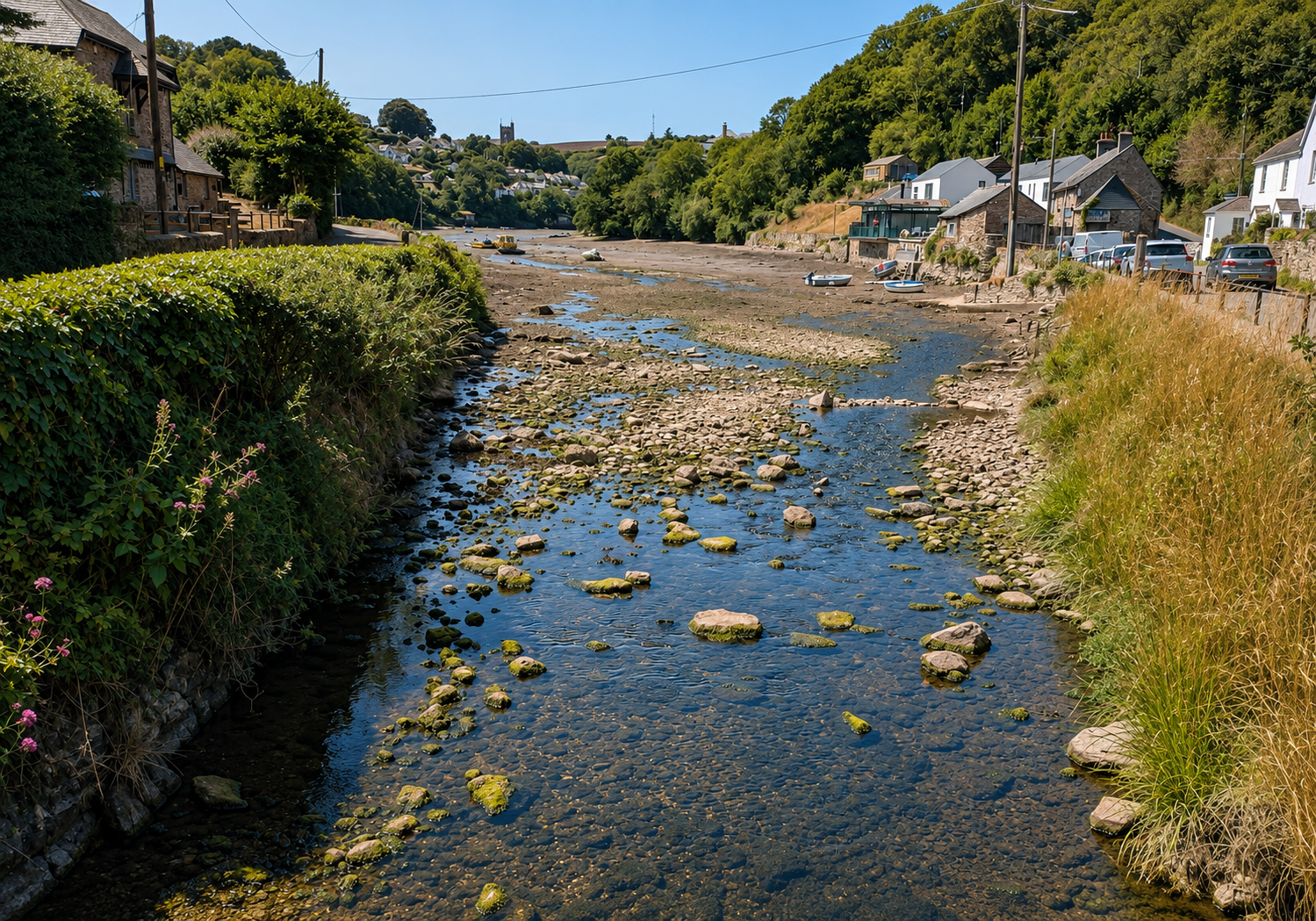
Membland: a Victorian estate village
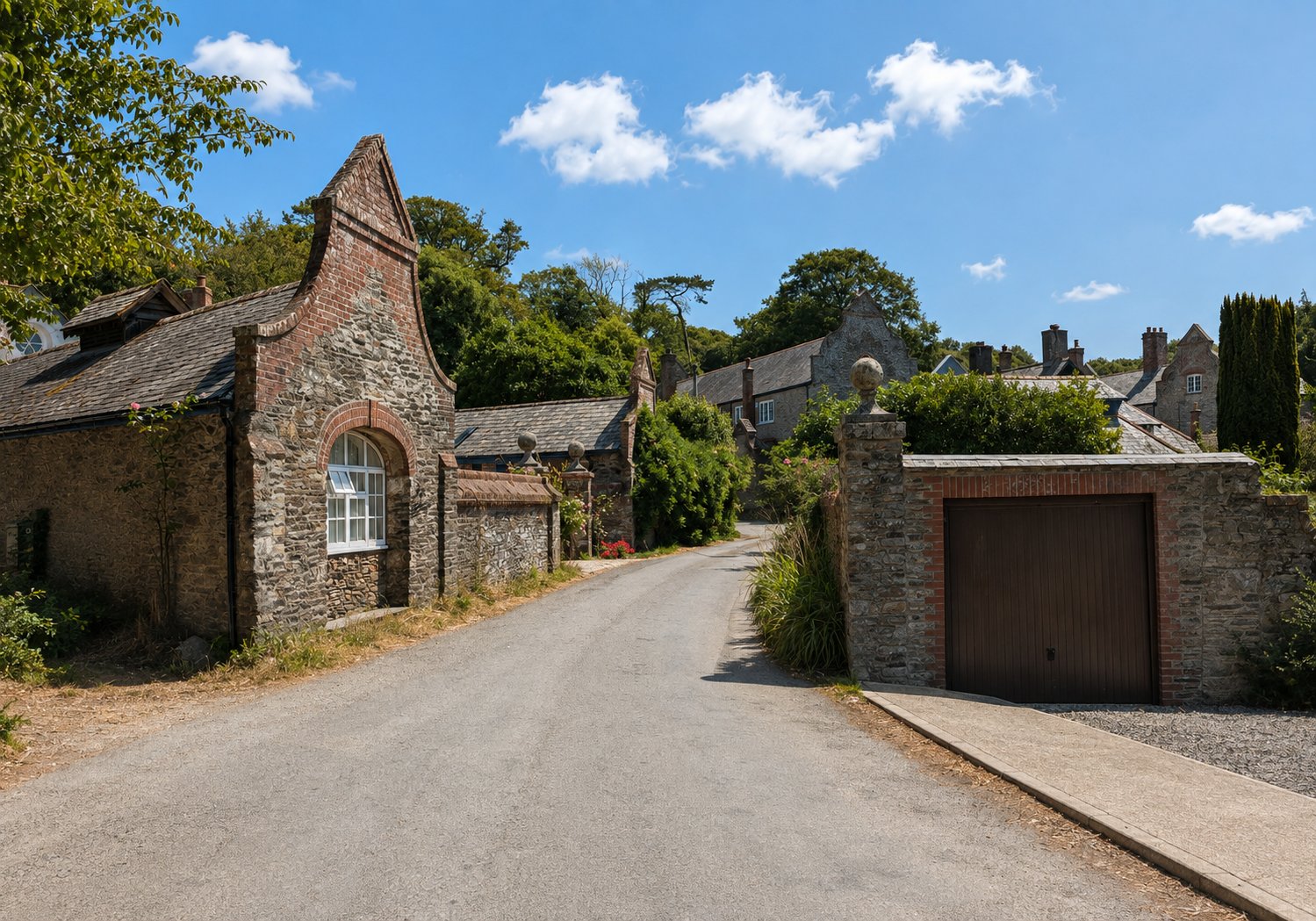
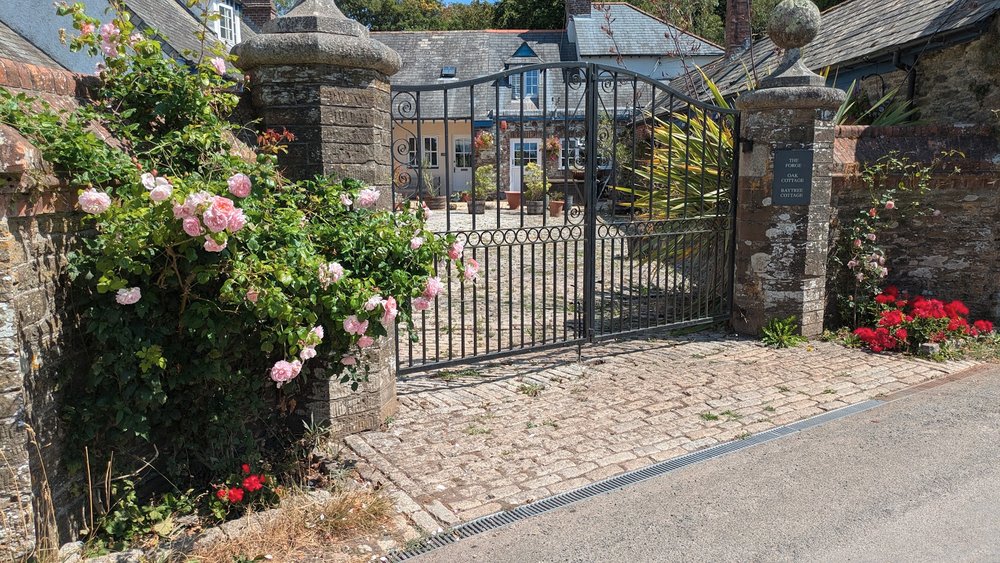
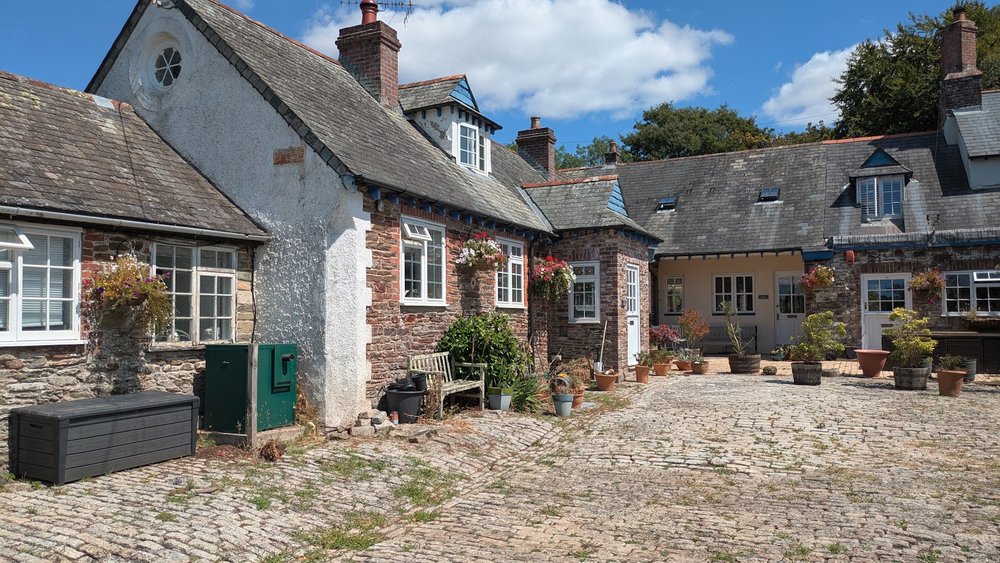
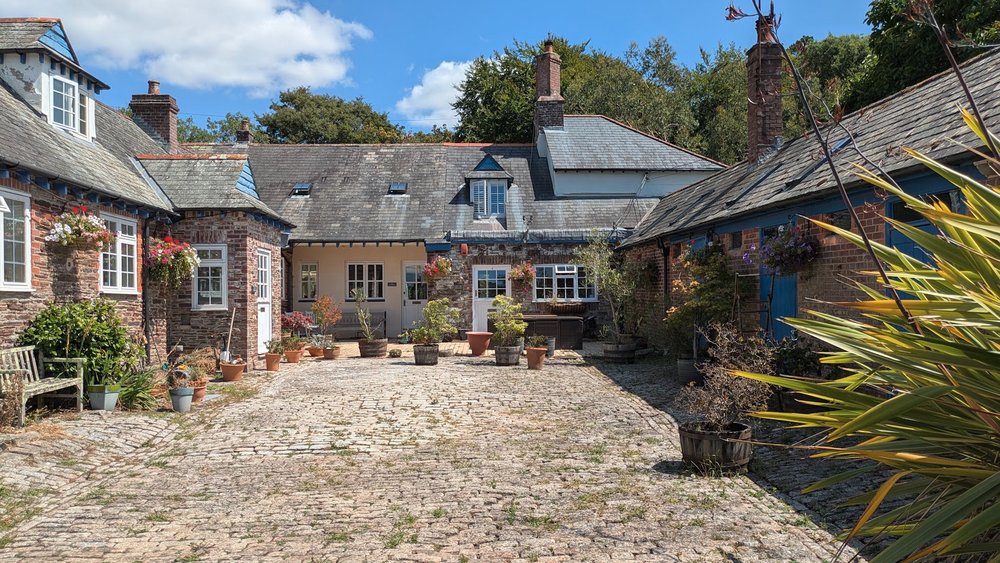
The buildings that now form much of Membland were once part of the Revelstoke estate. They included accommodation and working buildings: cottages, stables, coach houses and workshops. Their stonework and ornamental gables were intended to form an attractive, coherent estate settlement rather than an accidental collection of farm buildings.
The architect George Devey, noted for picturesque country-house and estate designs, helped transform Membland in the late 1870s for the banker Edward Baring. Baring became the first Baron Revelstoke of Membland in 1885.
The vanished Hall
The great house, Membland Hall, stood apart from the present settlement in landscaped grounds near a small lake. Its scale and setting reflected the wealth of the Baring family and the ambitions of its owner.
That wealth was shaken by the Barings crisis of 1890. Heavy exposure to Argentine investments threatened the bank with collapse, prompting a rescue organised by the Bank of England and other financial institutions. Edward Baring's personal fortunes suffered severely.
The estate was sold in 1899. The Hall subsequently deteriorated, was stripped of valuable materials and was demolished in 1928. The surviving estate buildings therefore tell only part of the story: the centrepiece around which they were designed has disappeared.
What survives
Converted cottages and former service buildings continue in use. Their arrangement, materials and decorative details preserve evidence of the organisation of a large Victorian estate. The photographs show how a place built around the needs of one landowning household has adapted to a very different purpose.
Sources and further reading
The historical account above follows the supplied Out & About notes on Membland and the Revelstoke estate. For further investigation, useful starting points include records of George Devey's estate architecture, the history of Barings Bank and local heritage records for Membland.