Revelstoke: a parish, a church and an estate
Revelstoke is an elusive place. It is not principally a compact village but the name of a former manor and parish around Noss Mayo and Stoke Bay. The name is associated with Richard Revel, recorded as lord of the manor of Stoke in 1198. The civil parish was absorbed into Newton and Noss in 1935.
St Peter the Poor Fisherman
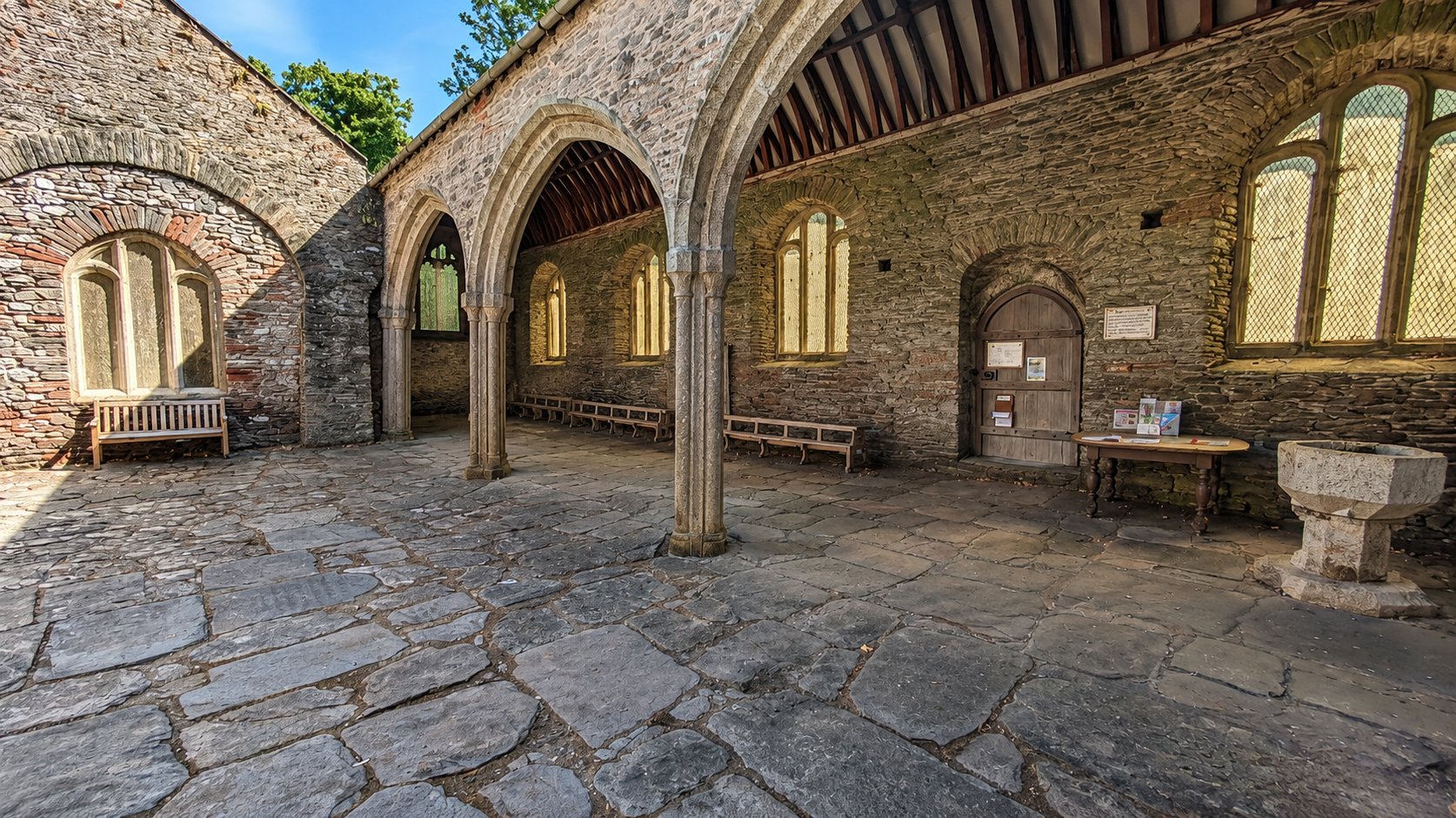
The most memorable survival of the old parish is St Peter the Poor Fisherman, above Stoke Bay. The present church contains medieval fabric from the thirteenth century onwards. Following serious storm damage in 1840 and the transfer of worship towards Noss Mayo, the old church fell into disuse. Its roofless nave and surviving covered portions preserve an unusual mixture of ruin and church architecture.
The Kingcomes and the sea
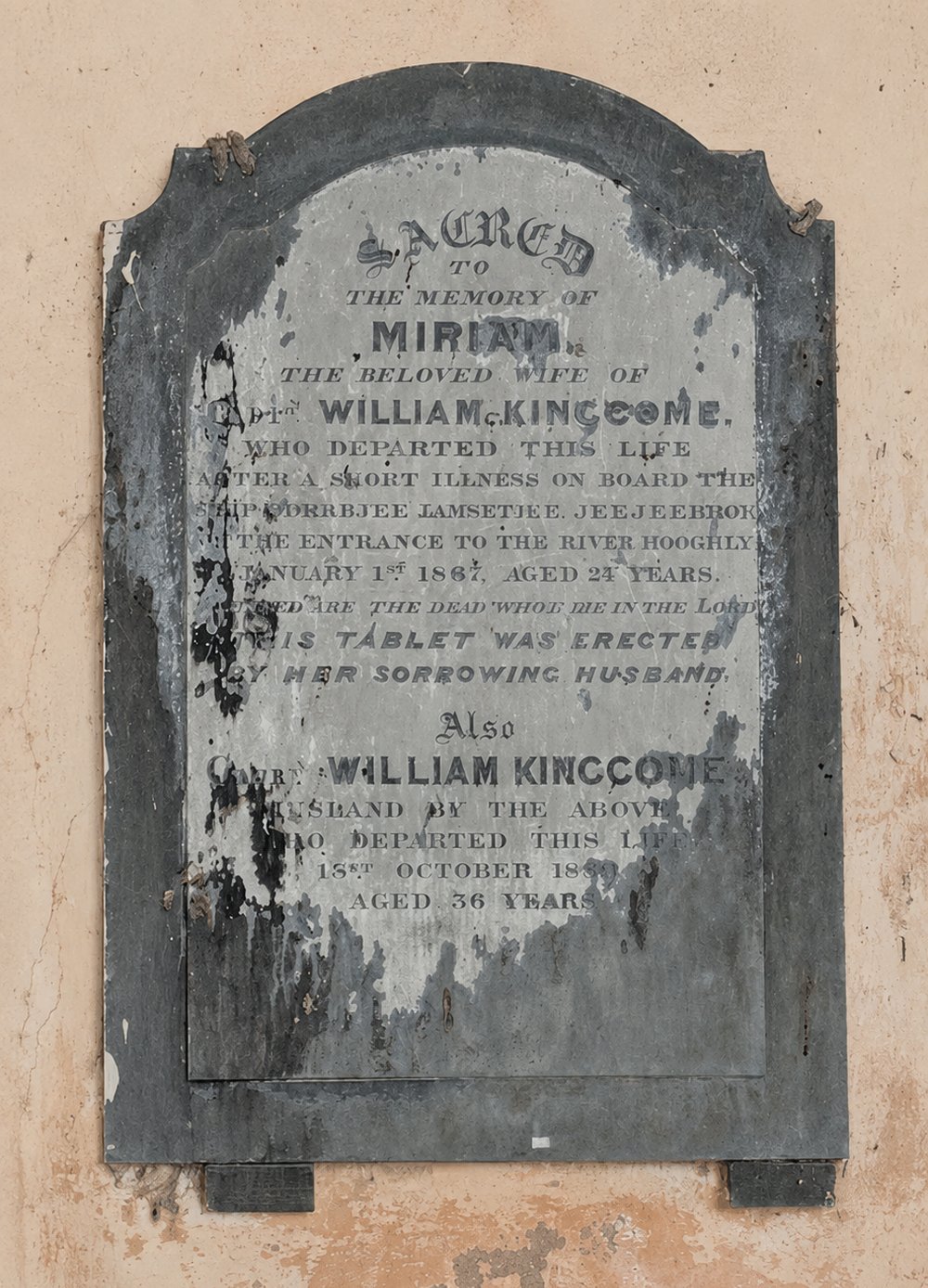
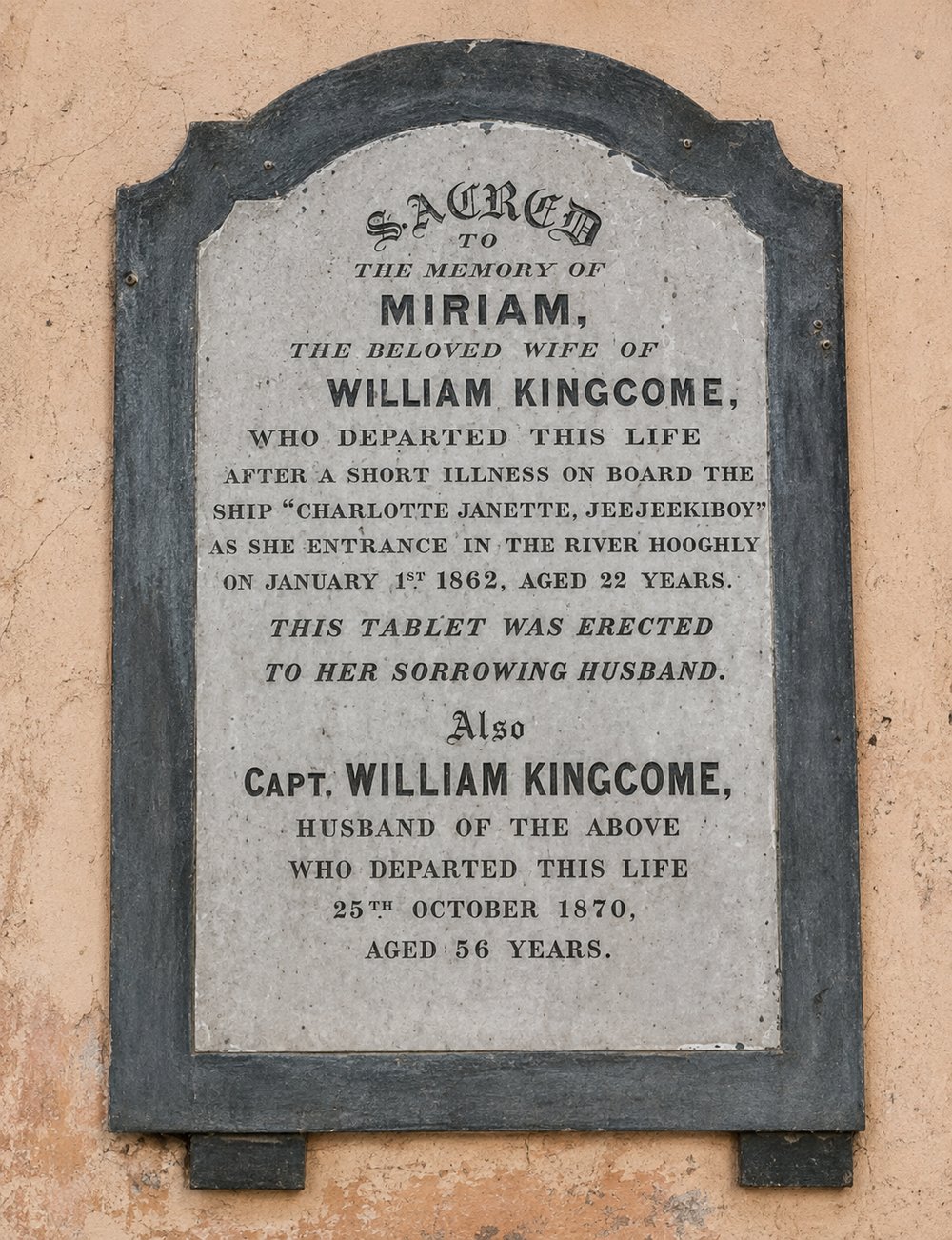
Among the memorials is a tablet commemorating Miriam Kingcome, who died aged 22 on 1 January 1862 after a short illness aboard a ship entering the River Hooghly, and her husband Captain William Kingcome, who died in October 1870 aged 56. Their story reaches far beyond this small Devon parish, into the maritime world of nineteenth-century trade.
The memorial was photographed before and after restoration. Its lettering gives the clearest evidence for the dates and circumstances of the deaths; any wider family relationship with Admiral Sir John Kingcome requires separate documentary confirmation.
Edward Baring and the Revelstoke estate
In 1877 Edward Charles Baring, of the banking family, bought the Membland estate. He became Baron Revelstoke in 1885. He invested heavily in the estate, employing the architect George Devey to develop its houses and farm buildings. He also financed the new St Peter’s Church at Noss Mayo, completed in 1882, and the coastal carriage drive, parts of which later became part of the South West Coast Path.
The drive and estate improvements served practical as well as ornamental purposes, including providing work locally. They also expressed the ambitions of a wealthy Victorian landowner whose interests extended from London finance to this stretch of Devon coastline.
Rowden Farm and the planned landscape
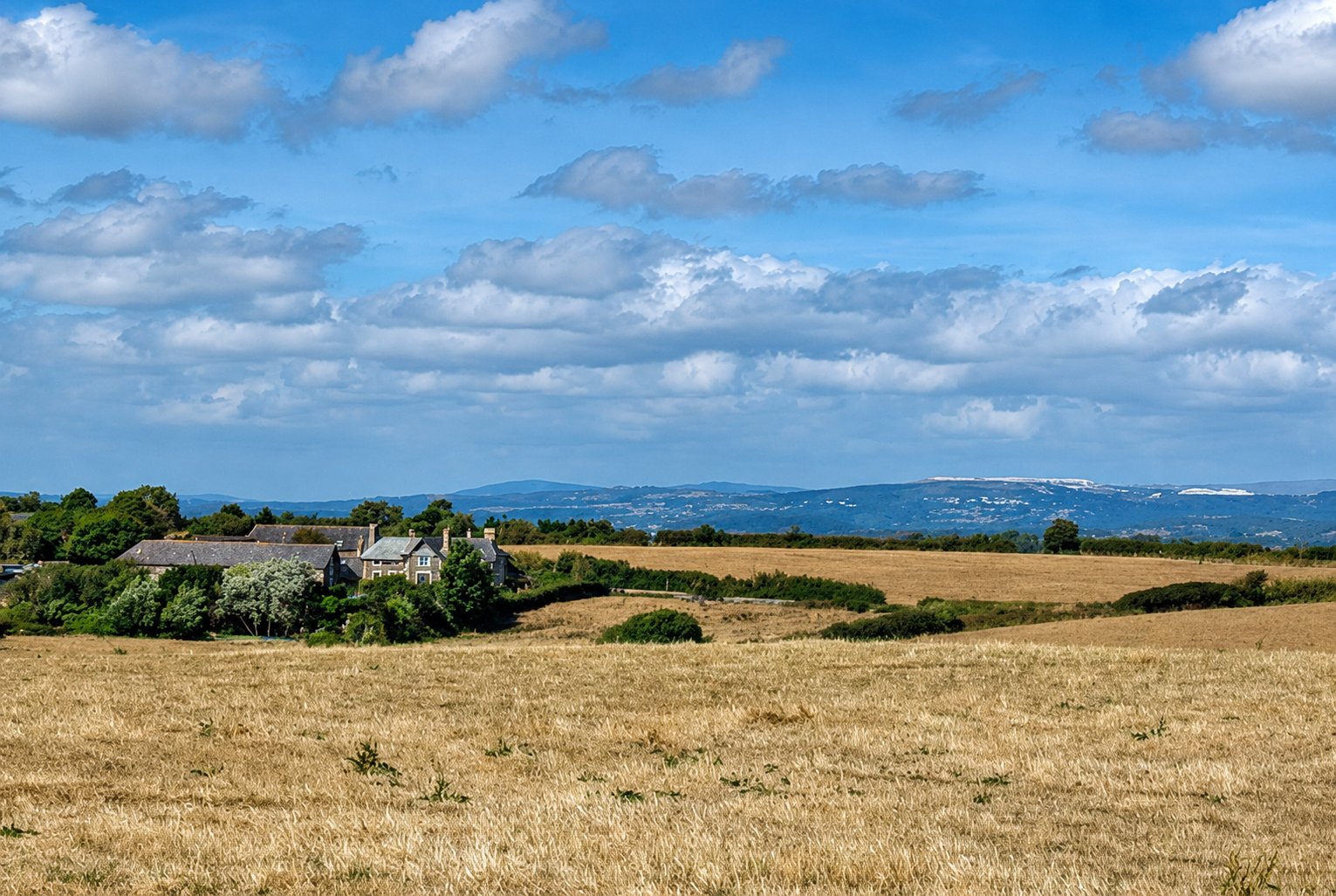
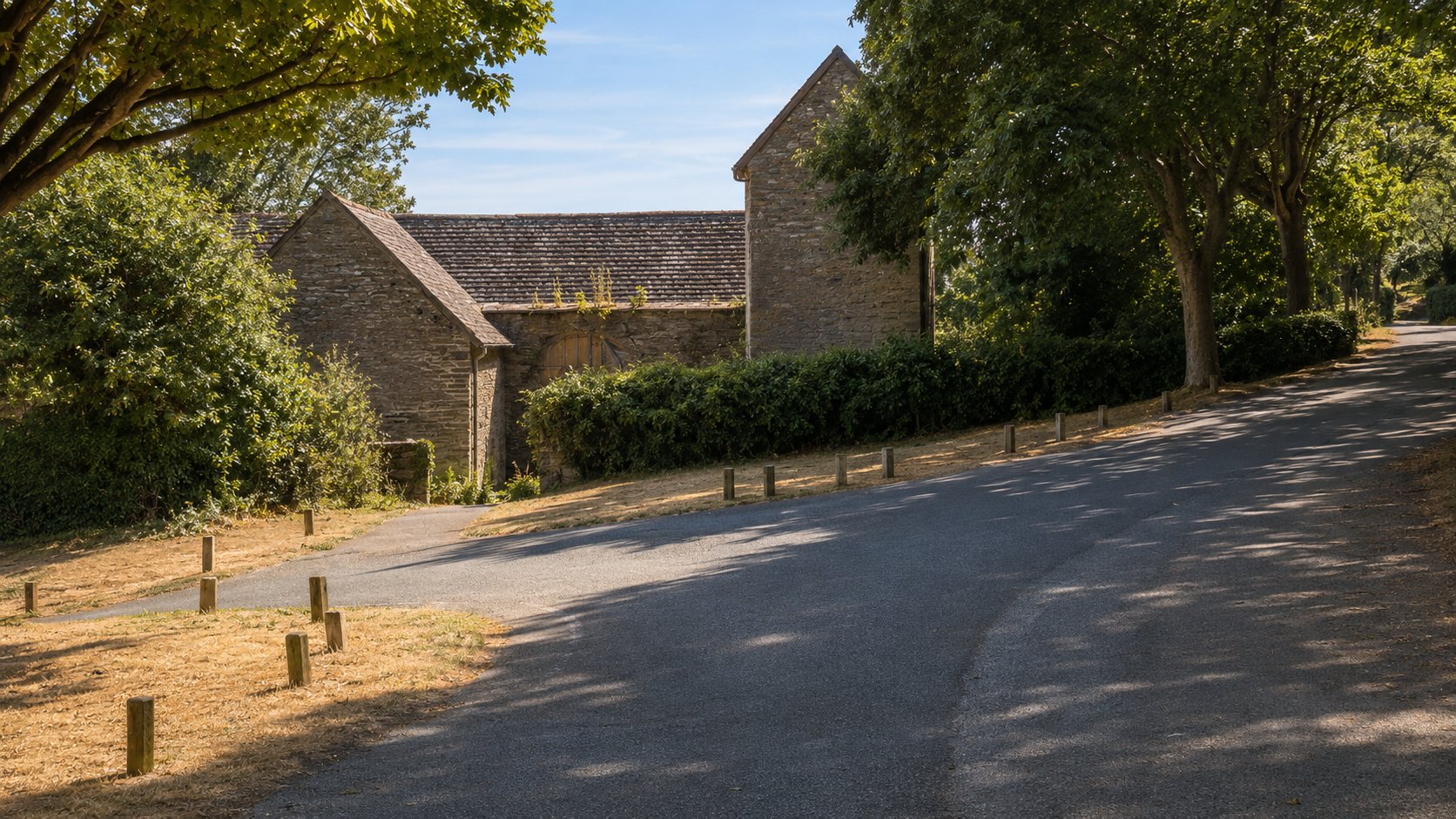
Rowden Farmhouse dates from 1884 and bears Edward Baring’s monogram. The planned agricultural buildings nearby included barns, stables, sheds and an engine house. Their scale reflects an estate organised for modern farming, rather than merely a collection of picturesque cottages.
Financial collapse and the changing estate
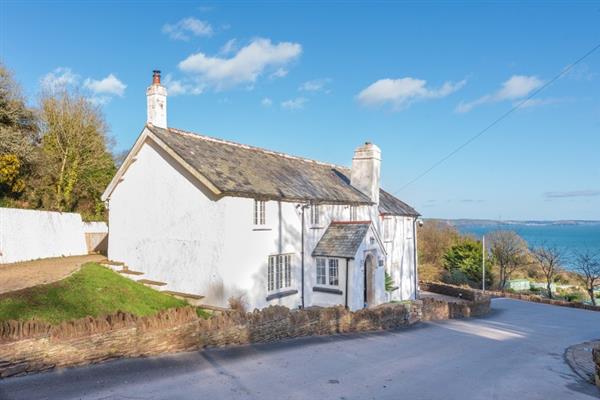
The Barings crisis of 1890 seriously damaged Lord Revelstoke’s fortune. Over time the estate was broken up and its properties passed into separate ownership. Revelstoke Park House, which originated as an older farmhouse, survived; its grounds later accommodated a holiday park. Thus the familiar name now belongs to a modern leisure landscape as well as to the medieval parish and Victorian estate.
The coast today
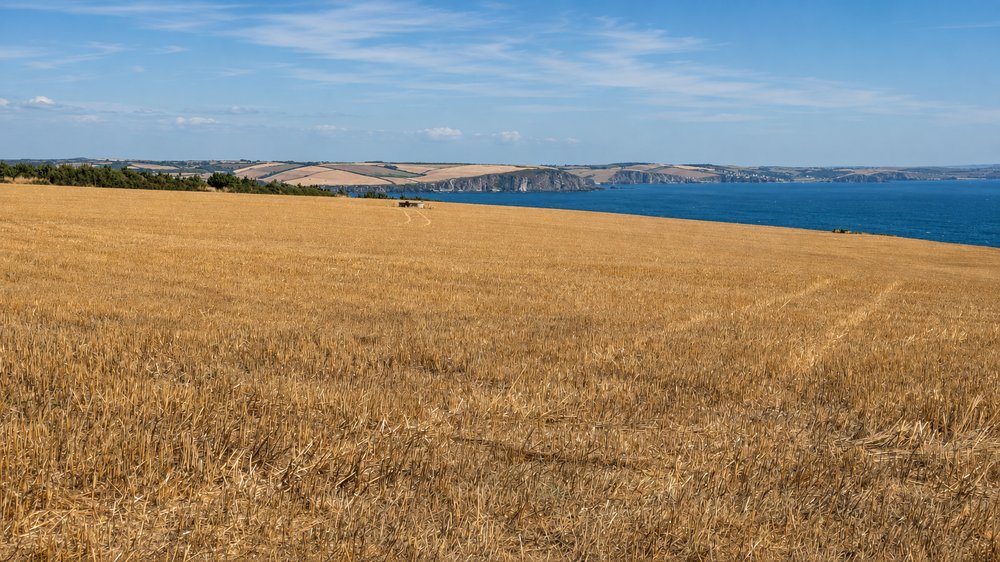
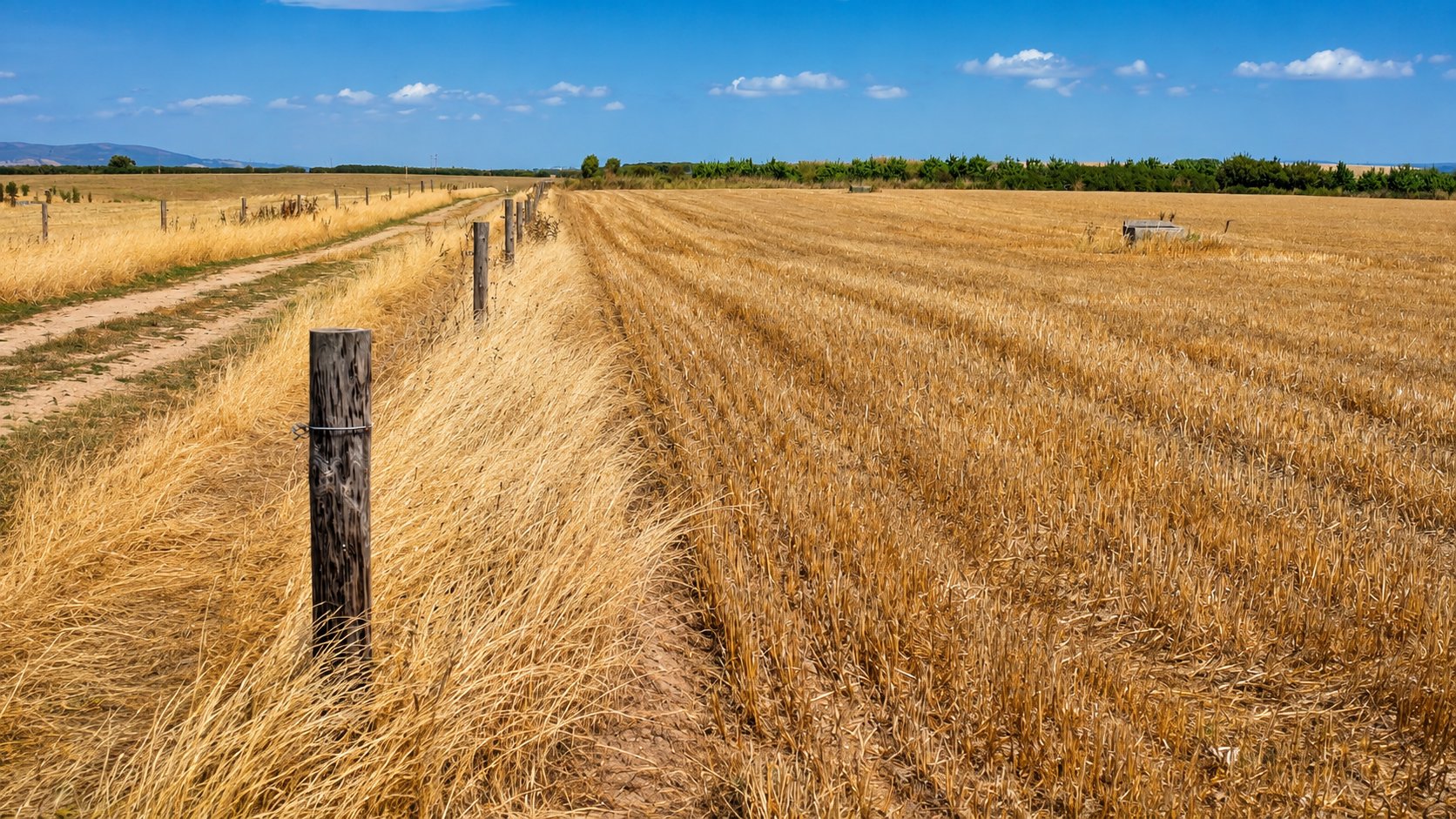
The open fields, farm tracks and sea views help explain why this coast attracted such ambitious Victorian improvements. They also provide a contrast with the medieval church and estate buildings: all are parts of the same historical landscape, encountered within a short cycle ride.

Sources & Further Reading
- Historic England, listing 1107795 (Revelstoke Park House).
- Historic England, listing 1108580 (Rowden Farm buildings).
- Churches Conservation Trust, St Peter the Poor Fisherman, Revelstoke.
- Local accounts of Edward Baring and the Membland estate, including the Revelstoke carriage drive.
- The Kingcome memorial inscription, photographed in the church.